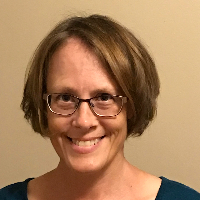
- Warm collaborative style
- Practical goal setting
- Works with addictions
About Anne
She uses conversation and practical steps to help people move forward. Sessions can include exploring patterns in relationships, skill-building for managing anxiety, or setting small goals to address substance use or impulsive behaviors. She has worked in community mental health and with groups as well as individuals.
Her style emphasizes listening first and then collaborating on a plan. Clients are invited to try exercises between sessions and report back on what helps. That feedback shapes the next steps and keeps the work focused and actionable.
Anne Marie draws on Client-Centered Therapy and Cognitive Behavioral Therapy to guide moment-to-moment work and to change unhelpful thinking and behavior. She also uses Solution-Focused and Systemic techniques when looking at family dynamics or practical solutions. These methods are mixed to match each person’s goals and situation.
She supports people dealing with intimacy-related concerns, parenting strain, compassion fatigue, bipolar mood challenges, and ADHD symptoms. If a reader wants to begin, they should follow the site’s Start Therapy steps to be matched and schedule a session.
How these approaches guide online work
Client-Centered Therapy focuses on listening and responding to what each person brings to the session. It helps when someone needs time to be heard, to make sense of feelings, and to set their own goals. Cognitive Behavioral Therapy (CBT) looks at the links between thoughts, feelings, and actions and teaches practical skills to reduce anxiety or change unhelpful patterns. Solution-Focused Therapy zeroes in on small, achievable steps that move a person toward their goals and is useful for people who want quick, practical changes.Choosing the right approach is part of the work. The therapist and client will talk about goals, try methods, and adjust based on what helps. That collaborative process means the plan can change as people learn what works best for them.
The biography does not specify which online session formats are offered, so confirm current options before booking. Online therapy can make it easier to fit sessions into a busy life, avoid travel time, or have shorter check-ins when schedules are tight. It also lets people continue work between in-person visits when needed. Licensed professionals can adapt exercises, homework, and conversation to the online setting so the work stays focused on the client’s goals.
Frequently asked questions
What kinds of problems does Anne Marie help with?
She works with stress, anxiety, depression, relationship concerns, grief, trauma and abuse, addictions, parenting strain, intimacy-related issues, ADHD, bipolar challenges, and related life changes.
How would you describe her therapy style?
Her style is caring and interactive. She listens first, then collaborates on practical steps and goals the client wants to try.
How much experience does she have?
She has 24 years of clinical experience working in adult substance use settings and community mental health with adults and groups.
What are her credentials and where is she based?
She is a Licensed Marriage and Family Therapist, LMFT, practicing in Florida.
Can I work with her if I live in another country?
Sessions are offered in English and she does not accept international clients at this time.
What session formats are available?
The original biography does not list specific session formats; please confirm current session options before booking.
How are session costs handled?
Cost varies by location and therapist availability, and sessions use a subscription that can be canceled at any time.
How do I begin working with her?
Select the continue button on this profile, complete the short matching questionnaire, and then schedule according to the therapist’s availability.