- Attachment-informed
- Trauma care
- Mindfulness skills
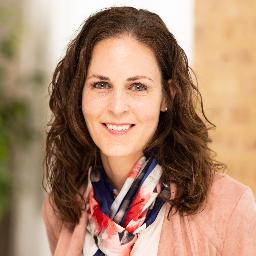
About Bridget
Her work comes from an integrated psychodynamic and relational foundation. She combines that understanding with client-centered tools like cognitive behavioral techniques and mindfulness. EMDR and Dialectical Behavior Therapy are among the methods she includes when they fit a person’s needs.
Bridget’s background includes work in residential treatment, school-based mental health, hospital outpatient clinics, and early intervention programs. She has cared for children, adolescents, young adults, and adults across different settings. That variety shapes how she adapts strategies to real life.
In sessions she focuses on small, concrete changes that add up over time. She listens for patterns that keep someone stuck, then practices new ways of coping together. Mindfulness exercises and guided skills practice are common parts of her sessions.
Clients can expect a collaborative process where goals are set together. Bridget aims to help people build resilience and move toward the changes they want. She works from Illinois and speaks English.
How attachment, CBT, and DBT translate to online therapy
Attachment-Based Therapy focuses on how early relationships shape current connections. Online sessions use conversation and reflective exercises to notice patterns and try new ways of relating. This can help people who feel stuck in repeated relationship cycles.Cognitive Behavioral Therapy, or CBT, looks at thoughts and behaviors that keep problems going. In remote sessions Bridget can guide practical skill-building like tracking thoughts, testing beliefs, and practicing coping strategies between meetings. Those step-by-step tasks are easy to carry into daily life.
Dialectical Behavior Therapy teaches skills for emotion regulation, distress tolerance, and clearer communication. Online work often includes practicing grounding techniques, role-play for difficult conversations, and homework that strengthens these skills outside sessions.
Choosing the right approach is a collaborative process. The therapist will talk with the client about goals and preferences, then recommend methods that fit. Plans may change as work progresses to match what helps most.
Session formats are not listed in the source biography, so confirm current options before booking. Online sessions can make it easier to fit therapy into a busy schedule, allow shorter check-ins when needed, and avoid travel time. Licensed professionals can offer comparable therapeutic work remotely while helping clients apply skills in everyday settings.
Frequently asked questions
What kinds of concerns does Bridget address?
She supports people dealing with stress, anxiety, depression, trauma and abuse, parenting strain, family conflict, and relationship challenges.
How would you describe her therapeutic style?
She practices from an integrated psychodynamic and relational foundation while using client-centered techniques, mindfulness, and cognitive therapy tools to guide change.
What experience does she bring to sessions?
She has 23 years of experience across residential care, school-based mental health, hospital outpatient clinics, and early intervention programs.
What are her credentials and where does she practice?
She holds LCSW in Illinois and LCSW-C in Maryland and practices from Illinois.
Which languages are used in sessions?
Sessions are offered in English.
Can people outside the United States work with her?
She does not accept international clients at this time.
How are sessions scheduled and paid for?
Cost varies with location and therapist availability; sessions use a subscription that can be canceled at any time.
How do I begin working with her?
Use the continue button on this profile, complete the short matching questionnaire, and schedule based on the therapist's availability.