- Skill building
- Evidence-based methods
- Collaborative care
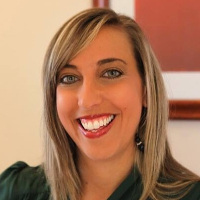
About Christy
Christy favors techniques that help people notice thoughts and try new behaviors. She combines Cognitive Behavioral Therapy - which looks at the links between thoughts, feelings, and actions - with a person-centered approach that emphasizes listening and collaborating with each person. Sessions emphasize straightforward tools and short-term strategies when useful.
People who reach out often are dealing with anxiety, depression, grief, trauma and abuse, relationship or parenting concerns, and work or career stress. She also addresses issues like ADHD, bipolar concerns, compassion fatigue, anger, self-esteem, and major life changes. The focus is on practical steps that fit into daily routines.
Christy aims to guide each person toward clearer choices and stronger coping skills. She works at a steady pace and adapts conversations to the needs and goals of the person in front of her. Progress is measured in small changes that add up.
If someone wants to begin, Christy asks them to complete a short matching questionnaire and schedule sessions based on availability. The work in therapy centers on skill building, real-life problem solving, and steady support through transitions.
Practical approaches for online therapy
Christy uses Cognitive Behavioral Therapy to help people spot unhelpful thoughts and try new behaviors. CBT breaks problems into clear parts so someone can practice small changes that reduce anxiety or low mood. She also uses a person-centered approach that focuses on listening and building a trusting, respectful relationship. That style helps people feel heard while they figure out what goals matter most.Finding the right approach is part of the work. Christy collaborates with each person to choose techniques that match their needs and goals. She adjusts what she does over time based on what helps and what feels manageable for the person in sessions.
Session formats are not specified in the biography, so confirm current options before booking. Online therapy can make it easier to fit sessions into a busy week, avoid travel time, and check in from different locations. It can also allow shorter check-ins when schedules are tight or let someone join without being on camera if they prefer. Many people find that regular, predictable online sessions help maintain progress during life transitions.
Frequently asked questions
What concerns does this counselor help with?
Typical concerns include stress, anxiety, depression, grief, trauma and abuse, relationship and family worries, parenting strain, anger, career stress, bipolar concerns, ADHD, and coping with life changes.
How would you describe the therapeutic style?
The approach blends Cognitive Behavioral Therapy with a person-centered style. That means sessions focus on practical skills while keeping the person's goals and perspective central.
How long has this counselor been practicing?
She has worked in the mental health field for 16 years and holds a master’s degree from the University of North Florida.
What credential does she hold and where is she located?
She is a Licensed Mental Health Counselor - LMHC - and practices in Florida.
Which languages are sessions offered in?
Sessions are offered in English.
Can people outside the United States work with her?
International clients are not currently accepted; she works with people within the region she serves.
How are sessions priced?
Cost varies with location and therapist availability. Sessions use a subscription model that can be canceled at any time.
What steps are involved to begin working with her?
Start by selecting the continue button on this profile, complete a short matching questionnaire, and then schedule sessions according to the therapist's availability.