- Direct practical support
- Trauma and stress experience
- Goal oriented work
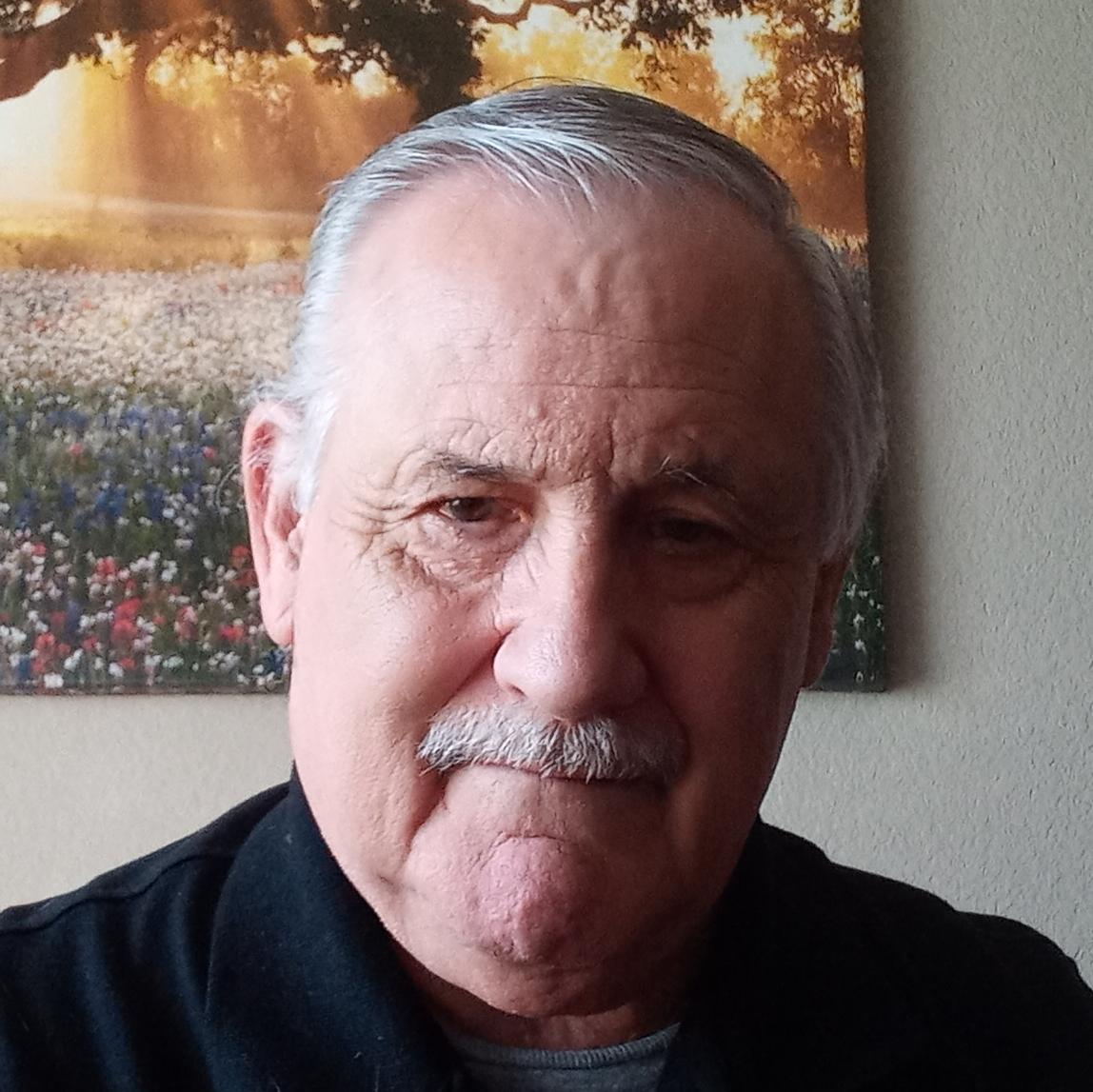
About Craig
He brings 35 years of counseling experience to sessions and uses straightforward methods to address stress, anxiety, relationships, grief, addiction, and mood concerns. Craig commonly helps people who struggle with sleep, eating, self-esteem, anger, and big life changes. He also works with issues tied to trauma, first responder and veteran experiences, and seasonal affective patterns.
Craig's style is relaxed and accepting. He focuses on creating a calm space where people can say what they actually think and feel. He leans on motivational interviewing to clarify what matters most and on cognitive behavioral tools to test unhelpful thoughts and actions.
Sessions tend to be practical and goal-oriented while remaining flexible to each person's needs. Craig guides people through manageable steps toward clearer communication, healthier routines, and better coping during times of crisis or transition.
If someone wants a direct, experienced counselor who pays attention and works toward real-life changes, Craig aims to be that partner. He encourages people to take the next step and start with a short matching questionnaire before scheduling.
How Craig’s approaches translate to online work
Client-Centered Therapy focuses on listening, empathy, and helping people find their own answers; it is useful for relationship struggles, grief, and self-esteem issues. Cognitive Behavioral Therapy, or CBT, helps people identify and change unhelpful thoughts and behaviors, which can reduce anxiety, panic, and depressive patterns.Finding the right approach is part of the work. Craig will collaborate with each person to decide which methods fit their goals and preferences. That choice can shift over time as needs change, and he adjusts the plan together with the client.
Confirm current session options before booking so you know what formats are available. Online sessions can make it easier to fit therapy into a busy schedule, reduce travel time, and allow shorter check-ins when needed. Some people prefer online meetings because they can join from quieter surroundings or avoid camera use for certain sessions. Discussing these practical preferences is part of the first scheduling steps so sessions match day-to-day life.
Frequently asked questions
What kinds of concerns does Craig address?
He helps with stress, anxiety, depression, bipolar issues, grief, and relationship concerns, plus sleep and eating difficulties and addiction-related problems.
What is his general therapy style?
He uses a relaxed, accepting approach that focuses on practical steps and goal-setting. Sessions combine listening with direct techniques to change thoughts and behaviors.
How much experience does he bring?
Craig has 35 years of professional counseling experience, including work with large institutions, military populations, and crisis response situations.
What credentials and location are listed?
He holds professional licenses as an LCPC in Maryland and an LPC in Texas, and his practice is based in Texas.
In which languages are sessions offered?
Sessions are offered in English.
Does he work with international clients?
International clients are not currently accepted.
How are costs handled?
Cost varies with location and therapist arrangement; sessions use a subscription that can be canceled at any time.
What are the steps to begin working together?
Start by selecting the continue button on this profile, complete a short matching questionnaire, and then schedule sessions based on the therapist's availability.