- Client-centered
- Skill based
- Mindful approach
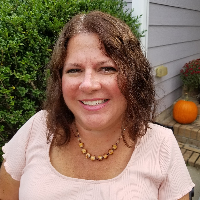
About Dina
Dina takes a client-centered approach that centers each person’s own goals and pace. She uses practical tools from Cognitive Behavioral Therapy and Dialectical Behavior Therapy when they fit the situation. She also draws on Jungian ideas and mindfulness to help people notice patterns and develop new ways of coping.
Work with her often includes talking through immediate problems and trying simple skills between meetings. She uses short, focused exercises and step-by-step strategies for mood, anxiety, and addiction-related concerns. Sessions can include reviewing coping plans, practicing emotion regulation skills, and setting small, achievable goals.
Dina has five years as a licensed marriage and family therapist, and she previously worked in community mental health and clinical assessment settings. That background informs her practical, down-to-earth style. She aims to make therapy understandable and usable for busy people.
People who choose her can expect a collaborative, respectful space to name struggles and try different strategies. She invites clients to shape the work and to bring feedback about what helps. To begin, follow the site’s matching steps to find out if her approach is a fit.
How her approaches translate to online therapy
Client-Centered Therapy focuses on listening and following the client's lead. It helps people clarify their goals and feel understood, which can be effective for relationship concerns, grief, and self-esteem work. Cognitive Behavioral Therapy (CBT) uses simple exercises to shift unhelpful thoughts and behaviors; it is often used for anxiety, depression, panic, and addiction-related patterns. Dialectical Behavior Therapy (DBT) teaches concrete skills for emotion regulation and distress tolerance that people can practice between appointments.Choosing the right approach is part of the process. The therapist will work collaboratively to figure out which combination of methods fits the client’s needs and preferences. Sessions can be adapted over time as goals and life circumstances change.
Session format details are not specified in the biography, so confirm current options before booking. Online therapy can make it easier to fit meetings into a busy week, shorten travel time, and allow for consistent check-ins during life transitions. It also makes it possible to use screen-based worksheets, practice skills in real time, and keep momentum between sessions without changing other daily routines.
Frequently asked questions
What concerns does she help with?
She supports people dealing with stress, anxiety, depression, grief, addictions, relationship concerns, and self-esteem issues, among other life challenges.
What is her therapeutic style like?
The style is client-centered, with practical tools brought in from cognitive behavioral and dialectical behavior approaches when helpful.
What experience does she bring to therapy?
She holds five years as a licensed marriage and family therapist and has worked in community mental health and clinical assessment roles.
Where is she based and what are her credentials?
She practices in North Carolina and is an LMFT with licensing history noted as CA LMFT and NC LMFT.
Which languages are supported in sessions?
Sessions are offered in English only.
Can people outside the country work with her?
She does not accept international clients at this time.
How does payment work and what does it cost?
Cost varies with location and therapist availability, and sessions use a subscription that can be canceled at any time.
How do I start a conversation with her?
Use the continue button on this profile, complete the short matching questionnaire, and schedule based on the therapist's availability.