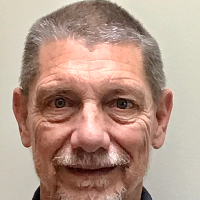
- Psychodynamically oriented
- Practical behavior change
- Calm and approachable
About Edward
He spent 35 years working in a special education school, mainly with adolescents and their families, before moving into independent practice nearly ten years ago. Since then he has focused on one-on-one work with adults across a wide range of concerns, including addiction, bipolar mood issues, grief, parenting strain, sleep problems, and ADHD. His background means he is used to steady, long-term support and straightforward problem-solving.
Edward describes his approach as psychodynamically-oriented while also prioritizing immediate needs. That means he pays attention to how the past influences feelings now, while also helping people change thoughts and behaviors that get in the way today. He aims to balance understanding with practical steps that can be tried between sessions.
People who meet him find he is easy-going, nonjudgmental, and open to questions. He welcomes curiosity and believes most people can change patterns of thinking and behavior when they have a reliable partner in therapy.
Edward works in Maryland and offers services in English. He recommends asking any questions before starting so each person feels clear about goals and how sessions will proceed.
How evidence-informed approaches translate to online work
Edward describes himself as psychodynamically-oriented while also prioritizing change in present-day thoughts and behaviors. A psychodynamic perspective looks at how earlier relationships and patterns influence current feelings and reactions, which can help explain recurring conflicts or emotional pain. Focusing on behavior and thought change targets specific habits and unhelpful thinking in the here and now, which can reduce symptoms and improve daily routines.Finding the right mix of approaches is a collaborative process. Edward works with each person to identify goals and then chooses techniques together that feel most useful. He encourages questions and adjustments so the plan fits the client’s needs and pace rather than assuming a single method will work for everyone.
Online therapy can make it easier to fit sessions into a busy week and to try practical strategies between meetings. Because the original biography does not specify which online formats are offered, confirm the session options before booking. Many people find remote sessions useful for shorter check-ins, steady weekly work, or when travel would be difficult. Licensed professionals can adapt psychodynamic conversations and behavior-focused exercises to remote sessions, so progress can continue even when in-person meetings are not possible.
Frequently asked questions
What kinds of concerns does Edward address?
He helps with stress, anxiety, depression, trauma and abuse, addictions, bipolar mood issues, relationship and family concerns, grief, intimacy issues, sleep problems, parenting strain, self-esteem, coping with life changes, and ADHD.
What is his general therapy style?
Edward takes an easy-going, practical approach that combines psychodynamic perspectives with immediate behavior and thought changes. He emphasizes partnership and clear steps you can try between sessions.
How much experience does he have?
He has 30 years of experience, including 35 years in a special education school and nearly ten years in independent practice working one on one with adults.
What credentials and location are listed?
He holds LCPC in Maryland and LPC in Delaware and practices from Maryland. Sessions are conducted in English.
Can people who live outside the United States work with him?
He does not accept international clients at this time; sessions are offered in English for people located where he is permitted to practice.
What session formats are available?
The original biography does not specify current session formats; please confirm available formats when booking to ensure they meet your needs.
How is cost handled for sessions?
Cost varies with location and therapist availability, and sessions use a subscription that can be canceled at any time.
How do I get started if I want to work together?
Select the continue button on this profile, complete the short matching questionnaire, and schedule according to therapist availability.