- Relationship focus
- Faith-friendly options
- Practical coping skills
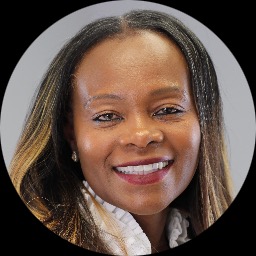
About Joy-Ann
She provides therapy for adults, couples, and families and uses a mix of practical approaches to fit each person's needs. Sessions often include talking through immediate concerns, building coping skills, and addressing past hurts that still affect daily life. She also offers options that include a Christian faith perspective when clients prefer that frame.
Her background includes work as a forensic interviewer and time supporting people who have experienced sexual abuse. That experience shapes a careful, paced way of talking about trauma and safety. She focuses on helping people find steps they can try between sessions.
Joy-Ann uses techniques drawn from evidence-based models such as Motivational Interviewing, cognitive-behavioral methods, and trauma-focused approaches. These tools are used to set clear goals, notice unhelpful patterns, and try new ways of responding to stress and relationships.
Her style is direct and supportive. She treats clients as the experts on their lives and partners with them to set goals. Taking the first step can feel hard, and she aims to make the process manageable and focused on real change.
Approaches that guide online relationship and trauma work
Joy-Ann draws on Motivational Interviewing to help people clarify what matters to them and strengthen motivation for change. This approach uses open questions and reflective listening to uncover personal goals and next steps. She also uses cognitive-behavioral techniques to identify unhelpful thoughts and try new behaviors that reduce anxiety, mood problems, and relationship conflicts. Trauma-focused methods are part of her work when past injury affects current safety and connection; these methods emphasize pacing, stabilizing skills, and gradual processing of painful memories.Finding the right approach is a collaborative process. She will talk with each person about their goals and preferences and suggest approaches that match those needs. Together they decide what to try and adjust methods as progress and feedback guide the work.
If you are thinking about online sessions, confirm the exact session formats before booking. Practical benefits often include easier fitting of appointments into busy schedules, shorter check-ins when life is hectic, and fewer disruptions from commuting. Some people find online work helps maintain continuity when routines change. The therapist will discuss what format makes sense for your goals and daily life before you schedule.
Frequently asked questions
What kinds of concerns does she work with?
She supports people with stress, anxiety, depression, anger, relationship issues, family concerns, trauma and abuse, self-esteem problems, ADHD, and coping with life changes.
How would you describe her therapeutic style?
Her style is direct and supportive. She partners with clients, focuses on practical steps, and adapts methods to each person's needs.
What experience does she bring to therapy?
She has 15 years working in mental health and has served adults, couples, and families. She also has experience as a forensic interviewer with victims of sexual abuse.
What are her credentials and where is she located?
She is a Licensed Clinical Social Worker, LICSW, licensed in the District of Columbia.
Can sessions be conducted in languages other than English?
Sessions are offered in English.
Are international clients accepted?
She does not accept international clients at this time.
How are fees and payment handled?
Cost varies with location and therapist availability; sessions use a subscription that can be canceled at any time.
What steps do I take to begin therapy?
Click the continue button on this profile, complete the short matching questionnaire, and schedule based on the therapist's availability.