- Collaborative listening
- Practical skills
- Anxiety focus
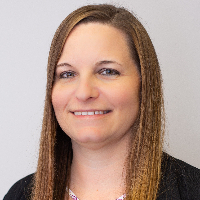
About Kara
Kara focuses on practical, collaborative work. She listens first and follows the client's lead while offering suggestions when useful. Her style is warm and direct, aimed at helping people manage anxiety, stress, anger, and low self-esteem.
She draws on several approaches to match each person’s needs. Cognitive Behavioral Therapy helps identify unhelpful thoughts and change them. Client-Centered Therapy centers on the person’s own goals and strengths.
Kara also uses Dialectical Behavior Therapy skills and Motivational Interviewing to support emotional regulation and change when motivation is unclear. She has worked with grief, ADHD-related challenges, compassion fatigue, pregnancy and childbirth issues, and women's concerns.
Her prior work included in-home visits, child welfare settings, substance abuse, foster care, crisis work, and efforts toward family reunification. That experience shapes how she approaches parenting and family conflict concerns in therapy.
Kara offers messaging, live chat, and phone sessions and sometimes has limited evening and weekend slots. If session options matter to you, confirm current formats and scheduling details before booking.
How her approaches shape online therapy
Kara uses Cognitive Behavioral Therapy to help people spot patterns of thought that worsen anxiety or mood and then practice different ways of thinking and behaving. CBT is often useful for panic attacks, worry, and low mood. Client-Centered Therapy focuses on listening closely to what matters most to the person and building on their strengths and goals. This approach helps people feel heard and move at a pace they control.She also incorporates Dialectical Behavior Therapy skills for emotional regulation when strong feelings or impulsivity get in the way of daily life. DBT skills teach concrete ways to tolerate distress, manage emotions, and improve interpersonal effectiveness.
Finding the right approach is part of the work. Kara will talk with the client about goals, preferences, and what has or hasn’t worked before. She collaborates on a plan and adjusts methods as therapy progresses so the approach fits the person’s needs.
Online sessions can make it easier to fit therapy into busy days. Messaging and live chat let people check in between longer conversations, and phone sessions can be a good option when a shorter conversation is needed or when video is not ideal. Because formats and schedules change, confirm which session types are available before you book so you can choose what best fits your routine and needs.
Frequently asked questions
What concerns does she help address?
Kara works with stress, anxiety, depression, anger, relationship concerns, parenting struggles, grief, ADHD challenges, and compassion fatigue. She also focuses on control issues, guilt and shame, and women's issues.
What is her therapeutic style like?
She uses a collaborative, client-centered style that follows the client's lead. She offers practical suggestions and skills when they seem helpful.
How much experience does she have?
She has 12 years of experience, including earlier work as a family support worker and years counseling people with a wide range of concerns.
What credentials and region are listed?
She is a Licensed Clinical Mental Health Counselor, noted as LCMHC, and is based in North Carolina.
In which language are sessions offered?
Sessions are offered in English, and she accepts international clients.
What session formats are offered?
Her profile notes messaging, live chat, and phone sessions, with some evening and weekend availability; confirm current session options before booking.
How is cost handled?
Cost varies with location and therapist scheduling; sessions use a subscription model that can be canceled at any time.
How do I begin working with her?
Choose the continue button on this profile, complete a short matching questionnaire, then schedule appointments based on therapist availability.