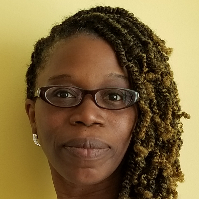
- Goal focused
- Warm and direct
- Evidence informed
About Kim
With five years of practice as a clinician, Kim draws on several therapeutic approaches to meet individual needs. She commonly uses cognitive behavioral techniques to identify unhelpful thinking and try new behavior patterns. Motivational interviewing is part of her work when people want to make changes but feel stuck. She also draws on psychodynamic ideas to look at long-standing patterns that show up in relationships.
Clients can expect straightforward conversation and a focus on real-life skills. Kim outlines goals together with each person and checks progress along the way. She supports people through grief, parenting strain, burnout and compassion fatigue, as well as mood concerns like depression and bipolar symptoms.
Kim holds LCSW-C in Maryland and LICSW in the District of Columbia. Sessions are conducted in English and she does not work with international clients. She mentions using a mix of approaches so each plan fits the client rather than following one rigid method.
Her aim is to help people find more control and peace in day-to-day life. The first steps are a short matching questionnaire and scheduling a session so the therapist and client can decide what will help most.
How therapeutic approaches adapt to online care
Kim uses cognitive behavioral techniques to help people notice and change unhelpful thoughts and behaviors. CBT often includes short experiments and practice between sessions to build new habits and reduce anxiety or depressive symptoms.She also uses motivational interviewing to support people who want to change but feel unsure or stuck. This approach focuses on the client's own reasons for change and builds motivation step by step through conversation.
Finding the right approach is a collaborative process. The therapist will talk with each person about their needs, goals, and preferences and then choose or combine methods that fit. Clients are invited to give feedback so plans can be adjusted as progress is made.
Online work can make it easier to fit therapy into a busy life, such as carving out sessions in evenings or between other commitments. Some people prefer phone check-ins when they want a shorter meeting or have limited bandwidth, and video sessions allow more face-to-face interaction when that feels helpful. Because formats can change, confirm current session options before booking so arrangements match your schedule and needs.
Frequently asked questions
What concerns does this therapist help with?
She helps people with stress, anxiety, trauma and abuse, self-esteem issues, depression, coping with life changes, addictions, relationship and family concerns, grief, parenting, career issues, bipolar symptoms, and compassion fatigue.
What is the therapy style like in sessions?
The approach is practical and collaborative, using goal setting and real-life skills. Sessions mix conversational exploration with concrete strategies to try between meetings.
How much clinical experience does the therapist have?
The therapist has five years of clinical experience working with a range of concerns and draws on multiple approaches to tailor care.
What credentials and region are listed for this therapist?
She holds LCSW-C in Maryland and LICSW in the District of Columbia, and practices from Maryland.
Which languages and international options are available?
Sessions are offered in English. International clients are not currently accepted.
How are sessions offered format-wise?
The original biography mentions video, phone, and text as formats the therapist has used, but readers should confirm current session options before booking.
How does cost and billing work for sessions?
Cost varies with location and therapist availability; sessions use a subscription that can be canceled at any time.
What are the first steps to begin working together?
Click the continue button on this profile, complete a short matching questionnaire, and schedule a session according to the therapist's availability.