- Relationship focus
- Practical strategies
- Goal oriented
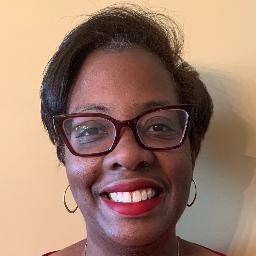
About LaMeshia
LaMeshia draws on nine years of counseling experience and integrates several approaches to suit each person. She uses client-centered methods to follow the client's lead, cognitive behavioral techniques to identify and change unhelpful thinking and behavior, and emotionally focused work to strengthen important relationships. Mindfulness and motivational interviewing also appear in her toolbox when they help people stay present and find internal motivation.
She has experience addressing stress, anxiety, addictions, relationship challenges, family concerns, depression, grief, parenting strain, self-esteem struggles, bipolar mood issues, and coping with life changes. Additional focus areas include multicultural concerns, paranoia, and self-harm. Her background includes practicum and training in independent practice and a mental health facility, with training that incorporated faith for those who value it.
In sessions she collaborates on clear, personal goals and practical steps toward them. People can expect straightforward conversation, skill-building exercises, and attention to feelings and patterns that affect daily life. The process aims to help clients feel more understood and more able to manage the challenges they bring to therapy.
How her approaches translate to online work
Client-Centered Therapy focuses on listening and following the client's priorities. The therapist creates space for the person to tell their story and sets goals together, which can help with relationship stress and life changes. Cognitive Behavioral Therapy (CBT) looks at thoughts and behaviors and uses concrete exercises to shift patterns that feed anxiety or depression. It often includes homework and skill practice between sessions. Emotionally-Focused Therapy (EFT) concentrates on emotions and interactions that shape close relationships, helping people name feelings and try new ways of connecting.Finding the right approach is part of the work. The therapist will talk with the client about goals, preferences, and what feels most helpful. Together they decide whether to emphasize client-centered listening, CBT skills, emotionally-focused work, or a mix of methods based on the person's needs.
If you are considering online therapy, confirm the session formats available before booking. Many people appreciate online options because they let therapy fit into a busy day, cut out travel time, and make it easier to schedule regular check-ins. Online sessions also make it simple to practice skills between meetings and to bring real-life situations into discussion. Ask about the specific formats offered when you start the matching process so you can choose what fits your routine.
Frequently asked questions
What concerns does this therapist help with?
She works with stress, anxiety, addictions, relationship and family concerns, depression, grief, parenting challenges, self-esteem, bipolar mood issues, and coping with life changes.
What is her general therapy style?
Her style is warm and inviting, with a client-centered approach that focuses on collaboration and practical steps toward personal goals.
How much experience does she have?
She has nine years of counseling experience working in practicum, independent practice settings, and a mental health facility.
What are her credentials and where is she located?
She holds the LPC credential (Licensed Professional Counselor) and practices in the state of Georgia.
Which languages are supported for sessions?
Sessions are offered in English.
Can international clients schedule with this therapist?
She is not currently accepting international clients.
How are costs and billing handled?
Cost varies with location and therapist availability, and sessions use a subscription that can be canceled at any time.
How do I begin working with her?
Select the continue button on this profile, complete a short matching questionnaire, and then schedule according to therapist availability.