- Relationship support
- Goal oriented
- Person centered
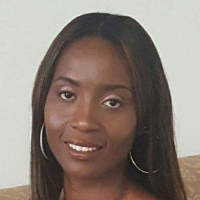
About LaShica
She began her career working with adults with mental illness, developmental disabilities, and substance abuse concerns. That work also included supporting young adults in transitional housing through individual and group counseling. She has provided clinical work and in-home support to address family-related challenges, always focusing on what a person can do next.
LaShica describes her approach as eclectic, with a strong focus on cognitive-behavioral methods and person-centered care. Cognitive-behavioral work looks at patterns of thought and behavior and helps people try small, practical changes. Person-centered care means sessions center on the person’s goals and choices rather than a set formula.
She helps people who are dealing with relationship strain, parenting stress, low self-esteem, anxiety, trauma and grief, anger, career concerns, and depression. Sessions aim to be straightforward and focused on real-life steps that fit each person’s situation. LaShica encourages people to weigh options and use available resources when planning next steps.
She enjoys lifting weights, playing softball, and running outside of work. That practical, active approach also shows up in her therapy style: direct, collaborative, and focused on what will move someone forward.
Approaches that guide online work and finding the right fit
LaShica often uses cognitive-behavioral methods, which look at how thoughts and actions interact and focus on trying practical changes to reduce anxiety, improve mood, or shift unhelpful patterns. She also uses person-centered principles that prioritize the person's goals, choices, and experience during sessions.These approaches are explained and chosen together. The therapist will work with each person to identify which methods feel most useful and to adjust the plan as work progresses. Finding the right mix is treated as a collaborative process based on needs, goals, and preferences.
Session formats are not specified in the biography, so please confirm current options before booking. Online therapy can make it easier to fit sessions into a busy week, reduce travel time, and allow shorter check-ins when a quick adjustment is needed. It also makes it possible to continue consistent work from different locations when schedules change, while keeping focus on practical goals and homework that apply to everyday life.
Frequently asked questions
What kinds of concerns does she address?
LaShica works with concerns such as relationship strain, parenting stress, self-esteem, anxiety, trauma and abuse, grief, intimacy issues, anger, career matters, and depression.
What is her general therapy style?
Her style is direct and collaborative, blending cognitive-behavioral methods with person-centered care to focus on practical, real-life steps.
How much experience does she have?
She has 12 years of counseling experience working with adults, including those with mental illness, developmental disabilities, and substance use concerns.
What credentials and region are listed?
She holds the credential LCMHC, and her practice is based in North Carolina.
Which languages are supported?
Sessions are offered in English.
Can people outside the U.S. work with her?
International clients are not currently accepted.
How are sessions scheduled and what about cost?
Session cost varies with location and therapist availability and uses a subscription model that can be canceled at any time.
How do I begin if I want to work together?
Use the continue button on this profile, complete a short matching questionnaire, and then schedule sessions according to the therapist's availability.