- Skills-based methods
- Focus on relationships
- Strengths-based approach
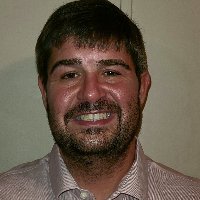
About Marcus
He draws on straightforward, skills-based methods to address stress, anxiety, mood struggles, and addiction-related concerns. Sessions often include practical tools for coping, clearer communication, and steps toward better sleep and daily routine. Marcus also supports people facing grief, trauma, and major life changes.
Marcus has worked in outpatient mental health, addiction programs, community mental health centers, home-based services, and correctional settings. That range has shaped his approach to be flexible and results-oriented while focusing on each person’s strengths. He is familiar with 12-step frameworks for substance and process addictions.
In therapy Marcus blends Cognitive Behavioral Therapy, Dialectical Behavior Therapy, Motivational Interviewing, Solution-Focused Therapy, and mindfulness-based techniques. He uses these methods to build practical plans, reduce distressing symptoms, and improve communication skills. Marcus aims to make sessions useful from the first meeting.
People who choose Marcus can expect a collaborative style that emphasizes small, achievable changes. He encourages active problem solving and helps set goals that fit everyday life. To begin, a short intake will identify priorities and shape the plan moving forward.
How therapeutic approaches translate to online care
Marcus often uses Cognitive Behavioral Therapy and Dialectical Behavior Therapy in sessions. CBT focuses on identifying unhelpful thoughts and testing them with small experiments to change mood and behavior. DBT teaches emotion regulation, distress tolerance, and interpersonal skills to manage intense feelings and improve communication.Finding the right approach is part of the work. The therapist will collaborate with each person to decide which methods fit best based on goals, symptoms, and what feels comfortable. Plans can be adjusted as needs change.
Confirm the exact session options before booking since formats are not specified here. Online work can make it easier to fit therapy into a busy week, reduce travel time, and allow shorter check-ins when needed. It can also support using homework tools, worksheets, and mindfulness practices between sessions to keep progress moving forward.
Frequently asked questions
What issues does Marcus address in therapy?
He helps with stress, anxiety, depression, addictions, relationship and family concerns, trauma and grief, sleep problems, anger, self-esteem, career stress, bipolar difficulties, ADHD, and related issues.
How would you describe his therapeutic style?
The approach is practical and collaborative, using skills-based methods and mindfulness to set small, achievable goals and improve day-to-day functioning.
What sort of experience does he bring?
Marcus has seven years of experience working in outpatient mental health, addiction programs, community mental health, home-based care, and correctional settings.
What are his credentials and where is he located?
He holds LCSW and CSW credentials and practices in the state of Georgia.
Which languages are supported for sessions?
Sessions are offered in English.
Can he work with international clients?
He is not currently accepting international clients.
How are costs and payment handled?
Cost varies by location and therapist availability; sessions use a subscription model that can be canceled at any time.
What is the first step to start therapy?
Click the continue button on this profile, complete a short matching questionnaire, and schedule based on the therapist's availability.