- Strengths-based care
- Trauma-informed
- Mindfulness tools
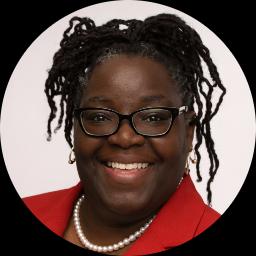
About Michelle
She has worked with people dealing with depression, anxiety, substance use, trauma, homelessness, unemployment, and relationship stress. Michelle also has experience supporting those fleeing domestic violence, people who were formerly incarcerated, and those leaving the foster care system. Her background includes long-term, hands-on counseling in diverse communities.
Michelle uses a strengths-based, client-centered approach that pays attention to each person’s cultural background. She blends several evidence-informed methods to match what a person needs. That can include solution-focused ideas, cognitive behavioral techniques, trauma-informed care, mindfulness, and motivational interviewing.
She emphasizes building self-care plans that fit daily life and creative ways to make those plans work. Michelle completed Trauma Recovery and Empowerment Model training for women and has training in trauma-informed care, which she draws on when helpful. Treatment is guided by the person in front of her, not a one-size-fits-all plan.
Sessions are delivered with a warm, approachable manner and focus on collaboration. Michelle invites people who want to work on healing, self-discovery, and practical change to begin the process together.
How therapeutic approaches translate to online work
Acceptance and Commitment Therapy (ACT) focuses on identifying personal values and taking small, value-driven steps. It helps people who feel stuck by shifting attention from avoiding difficult thoughts to choosing actions that matter. Cognitive Behavioral Therapy (CBT) looks at unhelpful thinking and practical behavior changes. It offers clear tools for anxiety, depression, and stress such as tracking thoughts and testing new behaviors. Mindfulness Therapy teaches moment-to-moment awareness and simple practices for reducing reactivity, which can help with anxiety, stress, and trauma-related symptoms.Finding the right approach is part of the work. Michelle will collaborate with each person to decide which methods fit their needs, goals, and preferences. That means trying tools, checking what helps, and adjusting the plan together rather than following a fixed script.
The biography does not list specific remote session formats, so confirm current options before booking. Online therapy can make it easier to fit meetings into a busy life, reduce travel time, and support more frequent check-ins when needed. It can also allow shorter sessions for quick coaching or longer blocks for deeper processing, depending on what the therapist and client agree will best meet the goals.
Frequently asked questions
What concerns does Michelle address?
She works with a wide range of issues including addictions, relationship and intimacy concerns, trauma and abuse, anxiety, depression, grief, stress, self-esteem, and career or workplace problems.
What is her therapeutic style like?
Her style is warm and collaborative, using a client-centered, strengths-based approach that blends practical techniques and conversation to meet each person's needs.
How much experience does she have?
Michelle has 19 years of experience working in mental health settings, primarily in nonprofit and community-based programs serving diverse populations.
What credentials and location are listed?
She holds the LPC credential and practices in the District of Columbia.
Which languages are supported?
Sessions are offered in English.
What session formats are available?
The original biography does not specify session formats, so confirm current session options with the booking process before scheduling.
How is pricing handled?
Cost varies with location and therapist availability, and sessions use a subscription that can be canceled at any time.
How do I start working with her?
Select the continue button on this profile, complete a short matching questionnaire, and schedule according to therapist availability.