- Client-centered approach
- CBT strategies
- Practical skill building
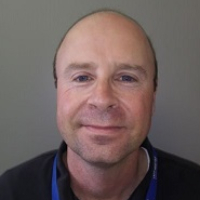
About Roger
His style blends client-centered care with cognitive behavioral therapy. Sessions focus on what the person brings in. He listens without judgment and treats each person with dignity and respect. Together with the client he builds a practical plan to address immediate problems and longer-term goals.
Roger has provided psychotherapy for people coping with trauma related issues, adjustment concerns, and substance use challenges. He has experience supporting individuals diagnosed with bipolar disorder and schizophrenia. That background informs a steady, problem-solving approach in sessions.
Therapy sessions are shaped around the client's needs. He aims to make skills and strategies simple to use between appointments. Roger helps people learn tools to manage anxiety, mood swings, cravings, and relationship conflicts.
People who want a direct, respectful therapist may find his approach useful. He focuses on clear goals and regular check-ins to track progress. Prospective clients in Virginia who read this should confirm current session options before booking.
How his approaches guide online therapy
Client-centered therapy puts the person's goals and experience first. The therapist listens closely, follows what matters most to the client, and adjusts treatment to fit the person's needs. This approach is helpful when someone needs empathetic support and a plan built around their priorities.Cognitive behavioral therapy (CBT) focuses on the links between thoughts, feelings, and actions. It teaches concrete tools to challenge unhelpful thinking and develop new behaviors. CBT is commonly used for anxiety, depression, stress, and coping with changes in life.
Finding the right mix of approaches is part of the process. The therapist will work collaboratively to choose methods that match goals, symptoms, and personal preferences. That means trying strategies, checking what helps, and adjusting the plan over time.
Session formats are not specified in the biography, so confirm current options before booking. Online therapy can make it easier to fit appointments into a busy day, reduce travel time, and allow for more flexible scheduling. It can also let people use short check-ins or longer sessions depending on needs. Talk with the therapist about what will fit your routine and goals, and he will help adapt the work to your circumstances.
Frequently asked questions
What concerns does he help with?
Roger helps people with stress, anxiety, depression, addictions, relationship and family issues, trauma and abuse, grief, anger, self-esteem, career difficulties, bipolar disorder, and coping with life changes.
What is his therapeutic style like?
He uses a blend of client-centered therapy and cognitive behavioral therapy (CBT). That means sessions focus on the person's priorities while teaching practical skills to change unhelpful thoughts and behaviors.
How much experience does he have?
He has 13 years of experience providing counseling and psychotherapy in clinical settings and independent practice work.
What credentials and location does he hold?
He is a Licensed Clinical Social Worker (LCSW) licensed in Virginia and practices there.
Which languages are sessions offered in?
Sessions are offered in English.
Can people outside the US work with him?
He does not accept international clients at this time.
How are sessions billed and what does cost look like?
Cost varies with location and therapist availability; sessions use a subscription model that can be canceled at any time.
What are the steps to begin therapy?
To get started, select the continue button on this profile, complete a short matching questionnaire, and then schedule sessions according to therapist availability.