- Person-centered care
- Skills-focused work
- Mood and addiction help
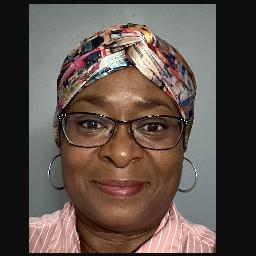
About Shelia
She draws on client-centered therapy to listen first and learn each person's story. Cognitive Behavioral Therapy (CBT) is used to spot unhelpful thoughts and try new behaviors. Dialectical Behavior Therapy (DBT) skills are introduced when managing strong emotions and improving coping skills.
Her background includes work in inpatient psychiatric units, outpatient behavioral clinics, community mental health, and residential substance abuse programs. That range informs a practical approach to problems like relapse prevention, anger management, and mood disorders. She also supports people dealing with trauma, grief, parenting strain, and caregiver stress.
Sessions focus on clear goals and simple, concrete steps people can try between meetings. The therapist will listen, reflect what matters most, and collaborate on strategies that fit daily life. Expect a respectful, steady style that centers the client's experience.
People who want a therapist who balances listening with active skills training often seek this approach. Before booking, confirm current session options and schedule preferences so sessions can be arranged to fit your needs.
How these approaches show up in online therapy
Client-Centered Therapy focuses on listening and understanding each person's story first. The therapist reflects what matters and helps people set goals that feel meaningful. Cognitive Behavioral Therapy, or CBT, looks at how thoughts and behaviors interact and introduces concrete experiments to change patterns that cause distress. DBT, Dialectical Behavior Therapy, teaches practical skills for managing intense emotions, improving relationships, and handling crisis moments.Finding the right mix of methods is part of the work. The therapist will talk with each person about goals and preferences, then suggest an approach to try. This is collaborative - adjustments are made if something doesn’t fit or isn’t helping.
The practical benefits of meeting online depend on the formats this therapist currently offers. Because the biography does not specify session formats, confirm available options before booking. Online sessions can make it easier to fit counseling into a busy week, allow shorter check-ins when time is limited, and remove the need to travel. Licensed professionals can guide skills practice, homework, and problem-solving between meetings so therapy fits real life.
Frequently asked questions
What concerns does this therapist address?
Common areas include stress, anxiety, depression, addictions, trauma and abuse, anger, relationship and intimacy-related issues, grief, parenting strain, self-esteem, and ADHD.
What is the therapist's general approach in sessions?
She uses a person-centered style and adds skill-based methods like CBT and DBT to help people manage thoughts, emotions, and behavior.
How long has this therapist been practicing?
The therapist brings 18 years of experience from inpatient, outpatient, community mental health, and residential substance abuse settings.
What credentials and region apply to this counselor?
The therapist holds LPC and LCPC credentials and practices out of North Carolina.
Which languages are supported and are international clients accepted?
Sessions are offered in English and international clients are not currently accepted.
What session formats are used for meetings?
The biography does not list specific session formats; please confirm current session options before booking.
How is cost handled for sessions?
Cost varies with location and therapist availability; sessions use a subscription that can be canceled at any time.
How do I begin working with this therapist?
Click the continue button on this profile, complete a short matching questionnaire, and then schedule according to the therapist's availability.