- Evidence-informed methods
- Ten years experience
- Focus on relationships
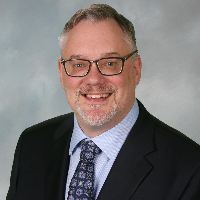
About Bradley
He brings ten years of experience from roles that include program administration for mental health clinics in Texas and Iowa. That work involved public policy advocacy, community organizing, grant writing, budgeting, and medical social work. Bradley has also worked at the VA and has experience linked to military family contexts.
Sessions tend to be goal-oriented and collaborative. Bradley draws on methods such as cognitive behavioral techniques, acceptance and commitment ideas, attachment-based thinking, and elements of dialectical behavior work to address emotions, behavior patterns, and communication challenges.
Beyond direct counseling, he has developed and presented curricula on trauma and mental health topics for continuing education audiences. He also has experience with case management and working with vulnerable adults and youth in clinical program settings.
People who come for help can expect clear communication, practical steps, and an emphasis on building skills for everyday life. He aims to help people recognize patterns, try new ways of relating, and manage strong emotions so daily life becomes easier.
How Bradley's approaches translate to online care
Bradley commonly uses Acceptance and Commitment Therapy and Attachment-Based Therapy alongside client-centered techniques. Acceptance and Commitment Therapy (ACT) helps people notice unhelpful thoughts, clarify values, and take committed steps toward what matters, which can help with anxiety, stress, and coping with life changes. Attachment-Based Therapy looks at patterns in close relationships and helps people understand and change how they connect with others, which can aid intimacy and communication difficulties.The right approach is often discovered together. Bradley works collaboratively to match methods to a person's needs and goals, adjusting tools and pace as therapy unfolds. Clients are invited to try strategies, give feedback, and shift focus when something isn’t working.
Practical benefits of online work include easier scheduling, fewer travel needs, and fitting sessions into a busy week. Because session formats were not specified in the biography, confirm which formats the therapist currently offers before booking. Many people find that remote sessions make it simpler to maintain consistent check-ins and apply skills between meetings, while still getting the same goal-focused, skill-building work they would expect in person.
Frequently asked questions
What concerns does Bradley address in sessions?
He works with stress, anxiety, addictions, trauma, relationship and intimacy-related issues, and related areas such as ADHD, eating concerns, and anger.
What is his therapeutic style like?
The approach is practical and collaborative, combining client-centered conversation with skills-based work from CBT, DBT, ACT, and attachment perspectives.
What background and experience does he bring?
Bradley has ten years of experience, including program administration in mental health clinics, medical social work, and work at the VA.
What credentials and location are listed for this therapist?
He holds LCSW and CSW credentials and practices from Iowa.
Which languages are supported and can he work internationally?
Sessions are offered in English and he is not currently accepting international clients.
What session formats are available?
Session formats were not specified in the biography; confirm current session options with the service before booking.
How does payment and cost work?
Cost varies with location and therapist availability; sessions use a subscription model that can be canceled at any time.
How do I begin working with him?
Select the continue button on this profile, complete a short matching questionnaire, and schedule a time based on therapist availability.