
Anne Douglas
LMFTNorth Carolina · 25 yrs exp
Experienced therapist for life and relationships
Stress, Anxiety · Relationship · Family · Grief · +15 more
Read profileTherapist listings are provided by BetterHelp. We earn a commission at no additional cost to you if you use our links to purchase.
This page groups therapist profiles that list Divorce as a focus so visitors can compare focus areas, approaches, credentials, languages, and experience. Use the profiles below to learn more about individual clinicians and browse details that matter to your search.
North Carolina · 25 yrs exp
Experienced therapist for life and relationships
Stress, Anxiety · Relationship · Family · Grief · +15 more
Read profile
Texas · 20 yrs exp
Experienced counselor focused on relationships
Stress, Anxiety · LGBT · Relationship · Self esteem · +16 more
Read profile
California · 14 yrs exp
Relationship-focused therapist helping people rewrite patterns
Stress, Anxiety · Relationship · Family · Intimacy-related issues · +9 more
Read profile
Texas · 13 yrs exp
Compassionate, practical therapy focused on relationships
Stress, Anxiety · Relationship · Trauma and abuse · Anger · +11 more
Read profile
North Carolina · 21 yrs exp
Practical support for stress and relationships
Stress, Anxiety · Grief · Eating · Depression · +12 more
Read profile
Florida · 20 yrs exp
Compassionate counselor for addiction and relationships
Stress, Anxiety · Addictions · Relationship · Self esteem · +16 more
Read profile
Georgia · 10 yrs exp
Relationship-focused counselor guiding practical change
Stress, Anxiety · Grief · Self esteem · Depression · +10 more
Read profile
Florida · 25 yrs exp
Compassionate counseling for relationship and trauma
Relationship · Trauma and abuse · Grief · Anger · +12 more
Read profile
Maryland · 6 yrs exp
Compassionate counselor for relationship and life stress
Stress, Anxiety · Trauma and abuse · Self esteem · Coping with life changes · +10 more
Read profile
Texas · 6 yrs exp
Relationship-focused social worker
LGBT · Relationship · Family · Intimacy-related issues · +6 more
Read profile
Pennsylvania · 12 yrs exp
Calm, practical support for relationship concerns
Stress, Anxiety · Relationship · Self esteem · Depression · +11 more
Read profile
North Carolina · 10 yrs exp
Faith-informed counselor focused on relationships
Stress, Anxiety · Relationship · Family · Bipolar · +16 more
Read profile
Florida · 26 yrs exp
Experienced Florida LMHC focused on relationships and coping
Stress, Anxiety · Relationship · Anger · Depression · +13 more
Read profile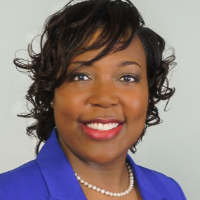
Florida · 10 yrs exp
Relationship-focused counselor who listens and guides
Relationship · Family · Self esteem · Depression · +4 more
Read profile
Florida · 30 yrs exp
Experienced, person-focused counseling for relationships
Stress, Anxiety · Trauma and abuse · Bipolar · Depression · +16 more
Read profile
Florida · 18 yrs exp
Helping people navigate stress and relationships
Stress, Anxiety · Relationship · Grief · Depression · +12 more
Read profile
North Carolina · 20 yrs exp
Person-centered counselor focusing on relationships and life changes
Stress, Anxiety · Relationship · Family · Self esteem · +9 more
Read profile
Florida · 30 yrs exp
Guided therapy for repeating relationship patterns
Stress, Anxiety · Relationship · Trauma and abuse · Depression · +14 more
Read profile
North Carolina · 15 yrs exp
Compassionate counselor focused on practical relationship support
Stress, Anxiety · Relationship · Anger · Depression · +12 more
Read profile
Florida · 30 yrs exp
Compassionate psychologist focused on everyday change
Stress, Anxiety · Grief · Anger · Depression · +15 more
Read profile
Florida · 30 yrs exp
Relationship-focused clinician and communicator
Stress, Anxiety · Relationship · Intimacy-related issues · Self esteem · +8 more
Read profile
Florida · 32 yrs exp
Experienced relational therapist for life stresses
Stress, Anxiety · Addictions · Relationship · Family · +13 more
Read profile
Florida · 20 yrs exp
Practical, relationship-focused therapy for everyday life
Addictions · Relationship · Trauma and abuse · Parenting · +14 more
Read profile
Virginia · 31 yrs exp
Experienced LCSW focused on relationship and life changes
Stress, Anxiety · Relationship · Family · Trauma and abuse · +12 more
Read profileWhen you are facing separation or the aftermath of divorce, practical and emotional concerns often arrive together. You may be trying to sort through communication challenges, rebuild day-to-day routines, or make personal decisions about boundaries and parenting. Some people come for help managing anger, grief, or anxiety tied to relationship endings, while others want clearer patterns of relating so future relationships feel healthier. Therapy profiles can help you spot clinicians who mention focus areas that align with what you are experiencing, such as communication, boundary-setting, life transitions, grief, or co-parenting adjustments.
It helps to keep in mind that the work you seek can be highly personal. You might want short-term support to make a specific decision, or you may prefer ongoing work to explore relationship patterns that have repeated across different partnerships. Think about whether you need practical planning and advocacy support, emotional processing, or help establishing new habits and boundaries. Use the profile descriptions and stated focuses to identify clinicians whose language and experience reflect the balance of practical and emotional work you want.
This directory collects profiles of clinicians who list Divorce as a focus among their specialties. That listing indicates the therapist includes divorce-related concerns in their practice but does not establish certification, a particular treatment outcome, or a specific service format. The directory's relationship focus is relevant because many divorce-related issues involve patterns of communication, decision-making, and boundary-setting that overlap with relationship work. However, a relationship specialty in a profile does not necessarily mean the clinician provides couples or family therapy, or that they will work in any particular way with every client.
As you browse, treat each profile as a starting point for conversation. Profiles often include stated approaches, populations served, and languages. Those details can help you find clinicians who describe a style or emphasis that feels like a fit. When a profile lists an approach such as cognitive-behavioral methods, emotion-focused work, or notes that therapists list EMDR among their approaches, consider that as terminology to discuss rather than as proof of specific training. The most useful next step is to contact a clinician and ask direct questions about how they work with people navigating divorce-related decisions and transitions.
Before you begin working with a clinician, prepare concrete questions that clarify how they might address your needs. Ask how they typically help clients who are making separation decisions, establishing new boundaries, or managing co-parenting dynamics. Request examples of the kinds of conversations and interventions you can expect early in the work. If you are interested in particular approaches, ask whether the clinician lists those approaches among their methods and how they integrate them into sessions. For instance, you might ask how a clinician who lists narrative approaches or how therapists who list EMDR among their approaches incorporate those ideas into work on relationship patterns and trauma symptoms.
It is also important to clarify professional scope. Ask whether the clinician works with adults only, whether they offer support related to parenting transitions, and how they define their role when legal or financial questions are involved. Clinicians cannot give legal advice, and good practice is to coordinate with other professionals when legal or financial matters are pressing. Finally, verify the clinician's license type and confirm they are permitted to work with you in your state or jurisdiction so that the care you receive is aligned with regulatory expectations.
If you are considering remote sessions, there are practical topics to address up front. Confirm where the clinician is licensed to practice and whether that licensing allows them to offer services to you in your location. Ask about the technical platform they use and what privacy protections are in place for communication and record keeping. Discuss emergency planning so you know how the clinician handles crisis situations and what local resources they may recommend if you need immediate assistance.
Talk about session structure and communication preferences, including how the clinician manages messaging between sessions and how they set boundaries around contact. If you have technology limitations, discuss alternatives such as phone sessions and any adaptations that help you participate effectively. Clarifying these details early can reduce misunderstandings and help you evaluate whether a clinician's logistical approach meshes with your needs. Remember that profiles list general focuses and approaches, so these conversations will reveal how a clinician actually applies their stated methods in practice.
When comparing profiles, pay attention to the language clinicians use to describe their work, the populations they list, and any specialty areas that align with your situation. Focus areas tell you what issues a clinician often addresses, such as communication, boundary-setting, parenting transitions, or grief. Review the credentials listed on a profile and use them as prompts to verify licensure with the appropriate state board. Credentials can help you identify the clinician's professional background, but they do not guarantee a particular therapy approach or outcome.
Languages and cultural considerations are also important. If you prefer to work in a language other than English or want a clinician who names specific cultural communities or identities in their practice, look for those details in profiles and bring them up in an initial conversation. Finally, consider phrasing that describes style - some clinicians emphasize practical coping strategies and planning, while others emphasize reflective exploration of patterns and meaning. Use the profile descriptions to narrow your options, then ask targeted questions that reveal how the clinician will tailor their work to your goals and circumstances. Verifying licensure and permission to work in your location is an essential step before beginning services so that you can make an informed choice about whom to contact.
Alabama
21 therapists
Alaska
2 therapists
Arizona
11 therapists
Arkansas
6 therapists
California
30 therapists
Colorado
12 therapists
Connecticut
7 therapists
Delaware
48 therapists
District of Columbia
45 therapists
Florida
1757 therapists
Georgia
648 therapists
Hawaii
7 therapists
Idaho
2 therapists
Illinois
22 therapists
Indiana
11 therapists
Iowa
4 therapists
Kansas
4 therapists
Kentucky
12 therapists
Louisiana
20 therapists
Maine
2 therapists
Maryland
294 therapists
Massachusetts
4 therapists
Michigan
14 therapists
Minnesota
3 therapists
Mississippi
5 therapists
Missouri
9 therapists
Nebraska
2 therapists
Nevada
6 therapists
New Hampshire
2 therapists
New Jersey
16 therapists
New Mexico
3 therapists
New York
33 therapists
North Carolina
646 therapists
Ohio
17 therapists
Oklahoma
5 therapists
Oregon
5 therapists
Pennsylvania
38 therapists
Rhode Island
1 therapist
South Carolina
311 therapists
Tennessee
18 therapists
Texas
58 therapists
Utah
7 therapists
Vermont
4 therapists
Virginia
319 therapists
Washington
7 therapists
West Virginia
44 therapists
Wisconsin
5 therapists
Wyoming
1 therapist