- Warm listening
- Goal focused
- Flexible scheduling
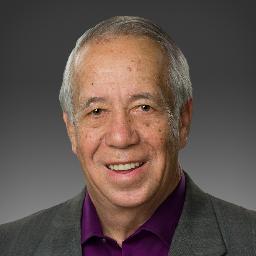
About Curtis
His background includes work as a patient counselor on a hospital psychiatric unit and several years in a pediatric clinic. He also spent time as an employee assistance program counselor in a large hospital and city system, and taught as an adjunct professor at Louisiana State University, Shreveport. Those roles exposed him to a wide range of problems and ways people cope.
Curtis emphasizes plain talk and practical steps in sessions. He draws on client-centered listening and methods that help people notice patterns, shift unhelpful thoughts, and build stronger emotional connections. Sessions focus on goals the client cares about and small changes that fit real life.
He aims to be flexible about scheduling and is generally available six days a week. Curtis says he can sometimes extend hours if needed, and asks prospective clients to message him about times not shown. He lives with his wife and enjoys time with his six children and grandchildren when not working.
He holds the LMHC and LPC credentials and works across cultural and age differences. People considering him are encouraged to start with a short matching questionnaire before scheduling so timing and fit can be discussed.
Online approaches and what they focus on
Curtis commonly uses Acceptance and Commitment Therapy and Cognitive Behavioral Therapy, and he complements those with client-centered listening when helpful. ACT helps people notice unhelpful struggles and choose values-driven actions even when feelings are strong. CBT focuses on identifying thought and behavior patterns that contribute to anxiety or depression and then trying different ways of thinking and acting to reduce symptoms. Client-centered work gives space for a person to feel heard and understood, which can help build motivation for change.Finding the right approach is part of the work together. Curtis will collaborate with each person to pick methods that fit their goals and preferences, and he may combine elements from different approaches as needs change over time.
Confirm current session options before booking so you know the exact online formats offered. Online work can make it easier to fit sessions into a busy week, shorten check-ins when needed, avoid travel time, or choose a quieter period for talking. Many people find that starting online helps them get consistent support without rearranging their whole schedule.
Frequently asked questions
What concerns does Curtis help with?
Curtis works with adults on stress, anxiety, depression, relationship and family concerns, addictions, trauma and abuse, grief, intimacy issues, sleep problems, parenting strain, anger, career challenges, bipolar management, and coping with life changes.
How would you describe his therapeutic style?
He uses a warm, accepting, non-judgmental approach that emphasizes listening and practical steps. Sessions focus on clear goals and small changes that fit the client’s everyday life.
What is his professional background?
Curtis has 17 years of counseling experience, including work on a hospital psychiatric unit, practice in a pediatric clinic, EAP work in a large hospital and city system, and time as an adjunct professor at Louisiana State University, Shreveport.
Where is he licensed and based?
He holds LMHC and LPC credentials and is based in Louisiana; he also serves clients in Oregon and Florida and has worked with people in overseas locations.
Which languages are supported for sessions?
Sessions are offered in English.
Can Curtis work with international clients?
Yes, he accepts international clients and has experience serving people outside the United States.
How are session costs handled?
Cost varies with location and therapist availability; sessions are provided through a subscription model that can be canceled at any time.
What are the first steps to begin therapy?
Click the continue button on this profile, complete a short matching questionnaire, and then schedule a session according to the therapist’s availability.