- Compassionate listener
- Goal oriented
- Faith informed
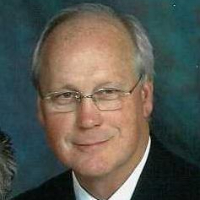
About David
David emphasizes straightforward work in sessions. He listens, helps people talk through what matters, and suggests steps they can try between meetings. His approach aims to restore healthier patterns of relating, emotional regulation, and day-to-day functioning.
His background includes a Master of Psychology Counseling with an emphasis in Marriage and Family Therapy from Palm Beach Atlantic University. He also holds a Master of Church Music from The Southern Baptist Theological Seminary. He practices in Florida and holds the LMFT credential.
David uses assessment tools to clarify problems and monitor progress, which he says can shorten the length of therapy when appropriate. He draws on methods from Client-Centered Therapy, Cognitive Behavioral Therapy, and Trauma-Focused Therapy to fit the needs of each person.
Outside of practice he has been married for many years and is a grandfather. He mentions that his life experience and long marriage inform his perspective on relationships. He also has a cat named Soxy who is part of his household.
How these approaches work in online therapy
Client-Centered Therapy focuses on listening and understanding where a person is coming from. The therapist provides empathy and reflection to help people feel heard and to guide their own change. Cognitive Behavioral Therapy, or CBT, looks at the links between thoughts, feelings, and behavior and uses practical exercises to test new ways of thinking and acting. Trauma-Focused Therapy concentrates on helping people process traumatic memories and build coping skills to reduce distress and improve daily functioning.Finding the right approach is a collaborative process. The therapist will talk with each person about their needs, goals, and preferences, then adapt methods over time. That ongoing conversation helps make sure the work feels useful and realistic for the person's life.
The biography does not list specific session formats, so confirm current online options before booking. Online sessions can make it easier to fit therapy into a busy week, reduce travel time, and allow shorter check-ins when time is limited. They can also make it simpler to continue work when circumstances change, while the therapist and client decide together how often and how long sessions should be to meet the client’s goals.
Frequently asked questions
What concerns can David help with?
He helps people with relationship and family struggles, trauma and abuse, parenting challenges, mood issues like depression and bipolar, anxiety and stress, addiction, grief, intimacy-related issues, eating and anger problems, self-esteem, ADHD, and related concerns.
What is his therapy style like?
Sessions tend to be practical and person-focused. He listens first, uses assessment tools to clarify issues, and works with clients on concrete steps and coping strategies between sessions.
How much clinical experience does he have?
He has 11 years of clinical experience working in counseling and marriage and family therapy settings.
What are his credentials and where is he based?
He is an LMFT and practices in Florida. The listing also notes Tennessee and Florida LMFT credentials in his background.
Does he see people who live outside the United States?
Sessions are offered in English and he accepts international clients.
What session formats are available?
The original biography does not list specific session formats. Please confirm current session options before booking to ensure they meet your needs.
How are fees handled?
Cost varies with location and therapist availability. Sessions use a subscription model that can be canceled at any time.
How do I begin working with him?
Click the continue button on this profile, complete a short matching questionnaire, and schedule based on the therapist's availability.