
Anne Douglas
LMFTNorth Carolina · 25 yrs exp
Experienced therapist for life and relationships
Stress, Anxiety · Relationship · Family · Grief · +15 more
Read profileTherapist listings are provided by BetterHelp. We earn a commission at no additional cost to you if you use our links to purchase.
This page groups profiles of clinicians who list relationship concerns and family of origin issues among their areas of focus. Visitors can compare focus areas, approaches, languages, credentials and therapeutic style to explore potential matches.
North Carolina · 25 yrs exp
Experienced therapist for life and relationships
Stress, Anxiety · Relationship · Family · Grief · +15 more
Read profile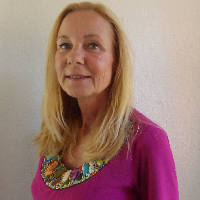
North Carolina · 30 yrs exp
Experienced LCSW focused on relationships
Relationship · Parenting · Anger · Stress, Anxiety · +5 more
Read profile
California · 14 yrs exp
Relationship-focused therapist helping people rewrite patterns
Stress, Anxiety · Relationship · Family · Intimacy-related issues · +9 more
Read profile
Texas · 13 yrs exp
Compassionate, practical therapy focused on relationships
Stress, Anxiety · Relationship · Trauma and abuse · Anger · +11 more
Read profile
North Carolina · 21 yrs exp
Practical support for stress and relationships
Stress, Anxiety · Grief · Eating · Depression · +12 more
Read profile
Florida · 20 yrs exp
Compassionate counselor for addiction and relationships
Stress, Anxiety · Addictions · Relationship · Self esteem · +16 more
Read profile
North Carolina · 28 yrs exp
Experienced LCMHC focused on relationship concerns
Stress, Anxiety · Addictions · LGBT · Depression · +12 more
Read profile
Florida · 25 yrs exp
Compassionate counseling for relationship and trauma
Relationship · Trauma and abuse · Grief · Anger · +12 more
Read profile
North Carolina · 10 yrs exp
Faith-informed counselor focused on relationships
Stress, Anxiety · Relationship · Family · Bipolar · +16 more
Read profile
Florida · 10 yrs exp
Helping people find practical relationship solutions
Stress, Anxiety · Addictions · Family · Grief · +8 more
Read profile
Florida · 18 yrs exp
Helping people navigate stress and relationships
Stress, Anxiety · Relationship · Grief · Depression · +12 more
Read profile
Florida · 30 yrs exp
Guided therapy for repeating relationship patterns
Stress, Anxiety · Relationship · Trauma and abuse · Depression · +14 more
Read profile
Florida · 15 yrs exp
Compassionate skills-based mental health support
Stress, Anxiety · Addictions · Trauma and abuse · Self esteem · +14 more
Read profile
Florida · 32 yrs exp
Experienced relational therapist for life stresses
Stress, Anxiety · Addictions · Relationship · Family · +13 more
Read profile
Florida · 20 yrs exp
Practical, relationship-focused therapy for everyday life
Addictions · Relationship · Trauma and abuse · Parenting · +14 more
Read profile
Virginia · 31 yrs exp
Experienced LCSW focused on relationship and life changes
Stress, Anxiety · Relationship · Family · Trauma and abuse · +12 more
Read profile
North Carolina · 30 yrs exp
Relationship-focused LCSW guiding whole-person healing
LGBT · Relationship · Family · Trauma and abuse · +13 more
Read profile
Florida · 14 yrs exp
Compassionate therapist focused on steady progress
Stress, Anxiety · Trauma and abuse · Grief · Self esteem · +13 more
Read profile
Georgia · 17 yrs exp
Compassionate counselor helping people move forward
Relationship · Family · Trauma and abuse · Career · +13 more
Read profile
Florida · 20 yrs exp
Practical, empathetic counseling for life changes
Stress, Anxiety · Grief · Self esteem · Depression · +9 more
Read profile
North Carolina · 10 yrs exp
Somatic-informed counselor focused on relationships
Stress, Anxiety · LGBT · Relationship · Coping with life changes · +13 more
Read profile
Georgia · 3 yrs exp
Relationship-focused counselor using CBT
Stress, Anxiety · Relationship · Family · Intimacy-related issues · +6 more
Read profile
Florida · 24 yrs exp
Compassionate counselor focused on practical change
Stress, Anxiety · Addictions · Grief · Self esteem · +14 more
Read profile
South Carolina · 20 yrs exp
Practical help for relationship and life challenges
Stress, Anxiety · Relationship · Eating · Self esteem · +10 more
Read profileWhen patterns from early family life affect current relationships, you may notice recurring difficulties with communication, boundary setting, decision-making or emotional reactivity. These concerns often show up as trouble expressing needs, avoiding conflict, reacting strongly in ways that feel out of proportion, or repeating relationship patterns that leave you uncertain about how to move forward. Many people search for individual support to work through how their family history influences daily choices, to clarify the differences between healthy and unhealthy boundaries, or to make personal decisions about separation or changing the terms of ongoing ties.
Seeking professional help can be about gaining clearer language for what happens in your relationships, learning practical communication skills, and identifying the beliefs and expectations that were passed down to you. In individual work you can explore how attachment experiences, family roles and unspoken rules shaped your responses, and consider different ways of relating that better fit your adult values. The focus here is on your personal experience and on strengthening your capacity to make choices that reflect your goals rather than simply reacting to old patterns.
This directory groups profiles where therapists list relationship concerns and family of origin issues as focus areas. That listing indicates a clinician identifies these topics among the issues they address, but it does not establish a causal claim about any one person’s situation. Family influences are one among many factors that shape relationships. You may find clinicians who describe a focus on exploring family history, while others emphasize present-day skills for communication and boundary-setting. The connection between past experiences and current relationship dynamics is not automatic - some people find family history directly relevant and others see it as one piece of a larger picture.
When reviewing profiles, keep in mind that a relationship specialty does not mean the clinician provides couples or family sessions. Many therapists who note relationship concerns focus on individual treatment aimed at communication, boundaries, and coping strategies. The profiles on this page are grouped for convenience because they mention the same area of interest, but you should discuss scope and session format directly with any clinician whose profile seems promising.
Before you contact a clinician, prepare questions that help you understand how they typically work with family of origin themes. Ask whether they focus on present-day skill-building, exploring family narratives, or both. You can request examples of approaches they commonly use, phrased as options to discuss - for example, therapists who list cognitive behavioral methods among their approaches, therapists who list psychodynamic-oriented work among their approaches, or therapists who list narrative or experiential approaches among their approaches. These descriptions can help you know whether their emphasis resonates with your goals.
Also inquire about the populations the clinician commonly works with. Some clinicians focus on adults processing long-term family patterns, while others may concentrate on recent separations or midlife transitions. Ask how they address cultural background and identity in the context of family expectations and intergenerational dynamics. If language matters to you, confirm which languages the clinician uses for therapy. Finally, request clarification about the clinician’s professional credentials and how those credentials are regulated in your state or region - that verification step is important for understanding licensure and scope of practice.
If you plan to work remotely, have a conversation about jurisdiction and licensing early in the process. Therapists licensed in one state or country may not be authorized to provide care across all locations, so ask whether the clinician has permission to work with clients in your location. Discuss technology needs, expected session length and frequency, and the clinician’s policies on records and privacy. Since online work can affect how emergencies are handled, ask what local resources or referral options the clinician uses if urgent support is needed where you live.
You should also make sure the clinician’s scope aligns with your goals. If your needs involve decisions about separation, co-parenting, or legal questions, ask how they approach those topics and whether they will coordinate referrals to legal or community services when relevant. Clarify whether the clinician typically focuses on individual work rather than couples or family sessions and confirm how goals will be defined and revisited over time. Clear expectations at the outset make it easier to evaluate fit as your work continues.
When comparing profiles, look beyond a single phrase and read how clinicians describe their emphasis. Profiles that mention family of origin issues can differ markedly in style - some highlight exploration of early narratives and relational templates, while others emphasize practical communication skills and boundary strategies. Notice whether a clinician frames their work in terms of insight, skill-building, or a mix of both, and choose profiles that align with whether you want reflective exploration, concrete behavioral change, or an integrated approach.
Language and cultural competence are important practical considerations. If you prefer therapy in a language other than English, filter for clinicians who list that language. If cultural values, immigration history, religious norms or multigenerational caregiving are central to your situation, look for clinicians who explicitly mention experience with those topics in profile descriptions. Credentials and professional licensure provide context for a clinician’s scope; verify licensure directly and confirm that the clinician has permission to practice in your location. Finally, pay attention to stated therapeutic style - whether the clinician emphasizes collaborative problem solving, a reflective exploratory stance, or structured skill training - and prioritize profiles that reflect a style you believe you can work with.
As you narrow options, plan brief initial conversations to assess interpersonal fit and to ask the specific questions that matter to you. Discuss how progress is measured and how goals are adjusted, and ask about typical session structure so expectations are clear. Remember that a profile indicates areas of focus and interest, not the full range of a clinician’s capabilities or the exact format of care. Verifying licensure, asking direct questions about approach and scope, and attending to language and cultural fit will help you identify clinicians whose profiles best match your needs for individual work on family of origin and related relationship concerns.
Alabama
21 therapists
Alaska
2 therapists
Arizona
11 therapists
Arkansas
6 therapists
California
30 therapists
Colorado
12 therapists
Connecticut
7 therapists
Delaware
48 therapists
District of Columbia
45 therapists
Florida
1757 therapists
Georgia
648 therapists
Hawaii
7 therapists
Idaho
2 therapists
Illinois
22 therapists
Indiana
11 therapists
Iowa
4 therapists
Kansas
4 therapists
Kentucky
12 therapists
Louisiana
20 therapists
Maine
2 therapists
Maryland
294 therapists
Massachusetts
4 therapists
Michigan
14 therapists
Minnesota
3 therapists
Mississippi
5 therapists
Missouri
9 therapists
Nebraska
2 therapists
Nevada
6 therapists
New Hampshire
2 therapists
New Jersey
16 therapists
New Mexico
3 therapists
New York
33 therapists
North Carolina
646 therapists
Ohio
17 therapists
Oklahoma
5 therapists
Oregon
5 therapists
Pennsylvania
38 therapists
Rhode Island
1 therapist
South Carolina
311 therapists
Tennessee
18 therapists
Texas
58 therapists
Utah
7 therapists
Vermont
4 therapists
Virginia
319 therapists
Washington
7 therapists
West Virginia
44 therapists
Wisconsin
5 therapists
Wyoming
1 therapist