- Relationship focus
- Trauma-informed care
- Strengths-based approach
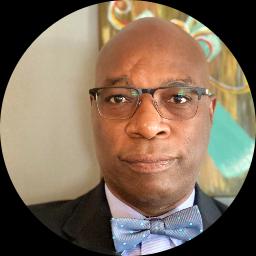
About George
George centers sessions on the person in front of him. He believes clients are the experts on their own stories and that they already carry strengths to build on. In sessions he listens first, then works together with people to set realistic goals and steady steps forward.
His work draws on client-centered methods that focus on the client’s voice and perspective. He also uses cognitive behavioral tools to spot unhelpful thinking patterns and try practical alternatives. Trauma-focused techniques are used when past experiences need careful attention to reduce their hold on day-to-day life.
Sessions are straightforward and goal-minded. Clients can expect an emphasis on clear skills for coping with anxiety, depression, addiction struggles, and stress. Conversations also cover relationship patterns, intimacy, parenting concerns, and life transitions when those come up.
George describes therapy as a collaborative process. He helps people notice what is working, try small changes, and track progress. To begin, readers select the continue button on this profile, complete a short matching questionnaire, and schedule according to therapist availability.
Approaches that translate to online work
The client-centered approach focuses on listening and following the client’s lead to build trust and clarity. It helps when people need a steady, accepting space to talk through relationship and life concerns.Cognitive Behavioral Therapy (CBT) looks at thoughts, feelings, and behaviors and teaches concrete skills to change patterns. It is useful for anxiety, depression, stress, and many day-to-day problems where practical tools help.
Trauma-focused therapy pays attention to how past events affect present reactions, and it uses gradual, careful methods to reduce the intensity of those reactions. This approach is often chosen for trauma, abuse, and post-traumatic stress concerns.
Figuring out the right approach is part of the work. George treats the choice of methods as a team decision, matching techniques to a person’s goals, needs, and preferences. He checks in regularly and adjusts the plan if something isn’t helping.
Practical benefits of online therapy include easier scheduling and the ability to fit sessions into a busy week. Since the biography does not list specific session formats, confirm current options before booking. Online sessions can make it simpler to maintain continuity during life changes and to keep therapy consistent with work or family commitments.
Frequently asked questions
What kinds of issues does he help with?
He supports people dealing with relationship struggles, trauma and abuse, intimacy issues, self-esteem, depression, anxiety, addictions, grief, parenting, and related concerns.
What is his general therapy style?
His style is collaborative and person-centered, with a focus on listening, validating strengths, and setting practical goals together.
How much experience does he bring?
He has 18 years of professional work experience in mental health settings and clinical practice.
What credentials and location are listed?
He is a Licensed Mental Health Counselor, listed as LMHC, and practices in Florida.
Which languages are supported and can international clients connect?
Sessions are offered in English, and he does accept international clients.
What session formats are offered?
The original biography does not specify session formats; please confirm current options before booking.
How are fees handled?
Cost varies with location and therapist availability, and sessions use a subscription that can be canceled at any time.
How do I begin working with him?
Start by selecting the continue button on this profile, complete a short matching questionnaire, and schedule sessions according to therapist availability.