
Anne Douglas
LMFTNorth Carolina · 25 yrs exp
Experienced therapist for life and relationships
Stress, Anxiety · Relationship · Family · Grief · +15 more
Read profileTherapist listings are provided by BetterHelp. We earn a commission at no additional cost to you if you use our links to purchase.
This directory groups therapist profiles that list Life Purpose among their focus areas and also note relationship concerns. You can compare specialties, therapeutic approaches, languages, credentials and style to find a clinician whose profile fits your needs.
North Carolina · 25 yrs exp
Experienced therapist for life and relationships
Stress, Anxiety · Relationship · Family · Grief · +15 more
Read profile
California · 14 yrs exp
Relationship-focused therapist helping people rewrite patterns
Stress, Anxiety · Relationship · Family · Intimacy-related issues · +9 more
Read profile
Texas · 13 yrs exp
Compassionate, practical therapy focused on relationships
Stress, Anxiety · Relationship · Trauma and abuse · Anger · +11 more
Read profile
North Carolina · 21 yrs exp
Practical support for stress and relationships
Stress, Anxiety · Grief · Eating · Depression · +12 more
Read profile
Florida · 20 yrs exp
Compassionate counselor for addiction and relationships
Stress, Anxiety · Addictions · Relationship · Self esteem · +16 more
Read profile
Georgia · 19 yrs exp
Relationship-focused counselor with steady support
Stress, Anxiety · Relationship · Family · Trauma and abuse · +7 more
Read profile
Georgia · 10 yrs exp
Relationship-focused counselor guiding practical change
Stress, Anxiety · Grief · Self esteem · Depression · +10 more
Read profile
South Carolina · 14 yrs exp
Practical, goal-focused therapy for life changes
Stress, Anxiety · Parenting · Depression · Addictions · +14 more
Read profile
North Carolina · 28 yrs exp
Experienced LCMHC focused on relationship concerns
Stress, Anxiety · Addictions · LGBT · Depression · +12 more
Read profile
Texas · 6 yrs exp
Relationship-focused social worker
LGBT · Relationship · Family · Intimacy-related issues · +6 more
Read profile
Pennsylvania · 12 yrs exp
Calm, practical support for relationship concerns
Stress, Anxiety · Relationship · Self esteem · Depression · +11 more
Read profile
North Carolina · 10 yrs exp
Faith-informed counselor focused on relationships
Stress, Anxiety · Relationship · Family · Bipolar · +16 more
Read profile
New York · 9 yrs exp
Compassionate support for life’s difficult moments
Stress, Anxiety · Anger · Self esteem · Depression · +13 more
Read profile
Florida · 26 yrs exp
Experienced Florida LMHC focused on relationships and coping
Stress, Anxiety · Relationship · Anger · Depression · +13 more
Read profile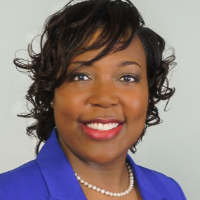
Florida · 10 yrs exp
Relationship-focused counselor who listens and guides
Relationship · Family · Self esteem · Depression · +4 more
Read profile
Georgia · 14 yrs exp
Helping people navigate stress and relationships
Stress, Anxiety · LGBT · Trauma and abuse · Anger · +9 more
Read profile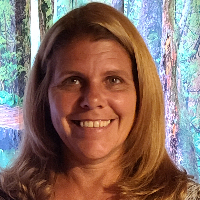
South Carolina · 10 yrs exp
Compassionate clinician for relationship and trauma concerns
Stress, Anxiety · Relationship · Family · Trauma and abuse · +1 more
Read profile
Florida · 10 yrs exp
Helping people find practical relationship solutions
Stress, Anxiety · Addictions · Family · Grief · +8 more
Read profile
North Carolina · 20 yrs exp
Person-centered counselor focusing on relationships and life changes
Stress, Anxiety · Relationship · Family · Self esteem · +9 more
Read profile
Florida · 30 yrs exp
Guided therapy for repeating relationship patterns
Stress, Anxiety · Relationship · Trauma and abuse · Depression · +14 more
Read profile
Pennsylvania · 10 yrs exp
Practical, culturally aware therapy for life challenges
Stress, Anxiety · Relationship · Grief · Self esteem · +8 more
Read profile
Georgia · 19 yrs exp
Relationship-focused counselor with practical tools
Stress, Anxiety · Addictions · Trauma and abuse · Self esteem · +11 more
Read profile
Delaware · 8 yrs exp
Calm, practical help for relationship concerns
Relationship · Family · Trauma and abuse · Self esteem · +11 more
Read profile
North Carolina · 15 yrs exp
Compassionate counselor focused on practical relationship support
Stress, Anxiety · Relationship · Anger · Depression · +12 more
Read profileWhen you are exploring life purpose alongside relationship concerns, you may notice that questions about meaning, direction and identity show up together with communication challenges, unclear boundaries, repeating patterns and questions about separation or major personal decisions. You might be rethinking priorities after a transition in work or family life, wondering whether your values still align with your daily choices, or trying to untangle how relationship patterns affect your sense of self. In these moments you are often looking for a therapist who can help you consider both practical decisions and deeper, reflective questions about what matters to you.
Think about the specific difficulties you want to address. Are you trying to improve the way you talk about needs? Do you want to set or maintain clearer boundaries without damaging relationships? Are you facing a decision that will affect your partnerships and future plans? Being clear about the symptoms, patterns and values you want to explore will help you compare profiles and pose concrete questions to clinicians whose listings mention life purpose and relationship work.
Your sense of purpose and your relationship dynamics can influence one another in many directions, but seeing the connection does not mean one is the fixed cause of the other. It is often useful to think of purpose and relationship issues as overlapping areas that can be explored together. You may find that clarifying your priorities changes how you negotiate roles and responsibilities, or that examining recurring relational patterns gives you information about the values that matter most to you. At the same time, relationship strain can create the space in which questions about work, meaning and identity become urgent. Recognizing that these areas intersect allows you and a therapist to design work that addresses both practical relationship skills and larger life-direction questions.
On this page you will encounter clinicians who list both relationship concerns and Life Purpose among their focus areas. That listing does not establish a causal link or a universal treatment approach. Use the profiles to learn which clinicians emphasize decision-making, values clarification, communication training, or relational pattern work so you can find someone whose priorities align with yours.
When you review a profile or reach out to a therapist, have direct questions ready so you can assess whether their approach would fit your needs. Ask how they typically help people explore life purpose during transitions and whether they focus on clarifying values, goal-setting, narrative exploration or existential questions. Ask how they help clients address relationship patterns such as repeated conflict cycles, boundary difficulties or challenges around separation and how those approaches are integrated with work on purpose and identity. If the profile mentions specific modalities, refer to them as options to discuss, for example by asking about how therapists who list EMDR among their approaches or those who list cognitive-behavioral work might apply those techniques to your concerns.
It is also appropriate to ask about populations and scope of practice. Inquire whether the clinician routinely works with adults in circumstances similar to yours and whether they provide individual support for relationship concerns rather than joint sessions or family work. If cultural background, sexual orientation, non-monogamous relationships or faith-based values are important to you, ask how the therapist approaches those aspects. Concrete questions such as "What would a typical first four sessions focus on for someone in my situation?" or "How do you approach decisions about separation or career shifts while supporting day-to-day relationship functioning?" will give you a clearer sense of fit than generic inquiries.
If you plan to work remotely, there are practical details worth clarifying before you begin. Confirm that the clinician is licensed to provide care to individuals located in your state or country and that they have permission to work with clients where you live. Ask how they handle scheduling across time zones and what their typical session length and cadence are. Discuss how they document treatment goals and whether they will provide notes or summaries to help you track progress over time.
Technology and contingency planning are also important topics. Ask what platform they use and what steps they take to protect session notes and personal information. Clarify how to reach them in case of urgent concerns and what local resources they recommend for immediate situations where you might need additional support. Finally, talk about language and communication preferences, how they handle cancellations or rescheduling, and what you both expect from the therapeutic relationship in terms of feedback and check-ins about goals.
Profiles vary in how they present focus areas, approaches, languages and credentials. When you compare listings, pay attention to how a clinician describes their emphasis - whether they highlight values clarification, identity work, decision support, communication skills or boundary setting. Note the approaches they list but remember that a listed approach is an area to discuss, not proof of training credentials. Look for descriptions of how they apply those approaches to life purpose and relational questions rather than relying on labels alone.
Language proficiency and cultural competence can matter a great deal when exploring identity and relational patterns. If you prefer to work in a particular language or with someone who understands cultural contexts relevant to your life, look for those details and ask follow-up questions about experience. Credentials listed on a profile can help you narrow options, but you should verify licensure and whether the clinician is authorized to practice where you live. Pay attention to tone and style in profile bios - descriptions that emphasize collaborative exploration, structured decision work or reflective narrative methods can help you anticipate the kind of sessions you will have. Ultimately, reach out with specific questions about how they would tailor work to the concerns you named so you can make an informed choice about who to contact for an introductory conversation.
Comparing profiles thoughtfully and asking targeted questions will make it easier to find a therapist whose focus and style fit the way you want to work on life purpose and relationship concerns. Before you begin, confirm licensure and permission to practice in your location, agree on logistics and discuss scope so you both have a clear plan for the work ahead.
Alabama
21 therapists
Alaska
2 therapists
Arizona
11 therapists
Arkansas
6 therapists
California
30 therapists
Colorado
12 therapists
Connecticut
7 therapists
Delaware
48 therapists
District of Columbia
45 therapists
Florida
1757 therapists
Georgia
648 therapists
Hawaii
7 therapists
Idaho
2 therapists
Illinois
22 therapists
Indiana
11 therapists
Iowa
4 therapists
Kansas
4 therapists
Kentucky
12 therapists
Louisiana
20 therapists
Maine
2 therapists
Maryland
294 therapists
Massachusetts
4 therapists
Michigan
14 therapists
Minnesota
3 therapists
Mississippi
5 therapists
Missouri
9 therapists
Nebraska
2 therapists
Nevada
6 therapists
New Hampshire
2 therapists
New Jersey
16 therapists
New Mexico
3 therapists
New York
33 therapists
North Carolina
646 therapists
Ohio
17 therapists
Oklahoma
5 therapists
Oregon
5 therapists
Pennsylvania
38 therapists
Rhode Island
1 therapist
South Carolina
311 therapists
Tennessee
18 therapists
Texas
58 therapists
Utah
7 therapists
Vermont
4 therapists
Virginia
319 therapists
Washington
7 therapists
West Virginia
44 therapists
Wisconsin
5 therapists
Wyoming
1 therapist