- Practical coping skills
- Trauma-aware care
- English and Portuguese
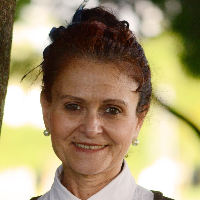
About Jean
She draws on several therapeutic approaches to suit each person’s needs. In sessions she focuses on building coping skills, improving communication, and creating realistic, manageable plans for change. People can expect a nonjudgmental space where their goals guide the work.
Dr. Frank has worked across settings including independent practice, corrections, schools, hospitals, and mental health centers. That background informs a flexible approach for issues such as adjustment after life changes, behavioral concerns related to brain dysfunction, and the effects of trauma or substance use.
She uses techniques from cognitive behavioral methods as well as mindfulness and attachment-informed ideas. EMDR and dialectical strategies are among her tools when addressing trauma and intense emotional reactions. The aim is practical progress rather than labels or long lectures.
If someone is unsure what to say at the first visit, she helps them decide if counseling is the right next step. Her practice uses a subscription model that can be canceled at any time, and prospective clients are asked to complete a brief matching questionnaire before scheduling.
Approaches that guide online sessions
Acceptance and Commitment Therapy (ACT) helps people clarify what matters most to them and take small steps toward those values while accepting difficult feelings. It can be useful for anxiety, stress, and life transitions. Attachment-Based Therapy looks at early relationship patterns and how they show up in current connections, which can help with communication and relationship concerns. Cognitive Behavioral Therapy (CBT) focuses on identifying unhelpful thoughts and habits and testing new behaviors to reduce symptoms like anxiety and depression.Finding the best approach is part of the work together. The therapist will review a person’s goals, history, and preferences and suggest techniques that fit. Sessions are shaped collaboratively so plans are realistic and tailored to everyday life.
The practical benefits of online therapy include easier fitting of sessions into a busy schedule and reducing travel time, which can make regular meetings more manageable. Online work can allow for shorter check-ins when needed or longer sessions when addressing complex issues. Because session formats are not listed explicitly here, confirm the current online session options before booking to know what will be offered.
Frequently asked questions
What kinds of concerns does Dr. Frank address?
She works with stress, anxiety, relationship struggles, trauma and abuse, depression, ADHD, addictions, grief, eating issues, parenting strain, anger, self-esteem, bipolar concerns, and coping with life changes.
How would you describe her therapy style?
Her approach is practical and collaborative, focusing on skill building, clearer communication, and real-world strategies informed by several therapeutic methods.
What experience does she bring?
She has 20 years of experience working in independent practice, corrections, schools, hospitals, and mental health centers, which shapes a flexible, applied approach.
What credentials and location are associated with this clinician?
She holds the LMHC credential and practices in Florida.
Which languages are used in sessions?
Sessions are offered in English and Portuguese.
Are international clients supported?
International clients are not currently accepted.
How does pricing work for sessions?
Cost varies with location and therapist availability; sessions use a subscription that can be canceled at any time.
How do I begin if I want to work with her?
Click the continue button on this profile, complete a short matching questionnaire, and then schedule according to the therapist's availability.