- Warm client-centered care
- Practical coping skills
- Trauma-informed attention
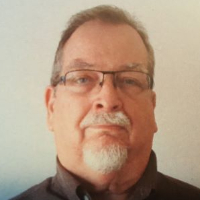
About John
He takes a warm, nonjudgmental, client-centered style. Sessions focus on listening first, then working together to set goals that feel achievable. John uses conversational techniques to help people name patterns, try new behaviors, and build skills for coping and recovery.
In practice he often draws from cognitive behavioral approaches to identify and shift unhelpful thoughts and routines. He also uses mindfulness exercises to calm stress and motivational interviewing to support readiness for change. Narrative techniques help people reframe difficult experiences and make sense of painful events.
John’s work addresses a wide range of concerns that include trauma and PTSD, panic and obsessive-compulsive symptoms, mood disorders, ADHD, caregiving stress, chronic illness, and substance use issues. He also supports people dealing with career struggles, parenting strain, grief, and aging-related challenges.
People who prefer a straightforward, compassionate counselor may find his approach a good fit. He invites a first conversation to see if goals and style match. The focus in early sessions is on practical steps and clear next actions.
How core approaches shape online work
John frequently uses Client-Centered Therapy, Cognitive Behavioral Therapy (CBT), and Mindfulness Therapy in his work. Client-Centered Therapy focuses on empathetic listening and building a collaborative relationship so people feel heard and understood. CBT looks at thoughts and behaviors that keep problems going and teaches concrete skills to try different responses. Mindfulness Therapy uses simple attention and breathing practices to reduce stress and improve emotional regulation.Finding the right approach is part of therapy. John will talk with each person about goals, preferences, and what has or hasn’t helped before deciding which methods to try. He frames treatment as a collaboration and adjusts strategies based on how well they fit the person’s daily life and needs.
Session logistics should be confirmed before booking because formats are not specified in the biography. Many people find remote care helps fit therapy into work and family schedules, reduces travel time, and allows shorter check-ins when needed. Talk with the therapist about timing and structure so sessions can be shaped to practical needs and everyday routines.
Frequently asked questions
What issues does John focus on?
He helps with stress, anxiety, depression, trauma and abuse, addictions, grief, relationship and intimacy-related concerns, parenting and family stress, burnout and many related issues listed in his specialties.
How would you describe his therapy style?
His style is warm, nonjudgmental and client-centered. He listens first and works collaboratively to set practical goals and steps.
How much clinical experience does he have?
He has 20 years of experience as a clinician supporting adults with mood, trauma, anxiety, and addiction-related concerns.
What are his credentials and location?
He is a Licensed Clinical Social Worker, LCSW, licensed in Florida and practices from that state.
Which languages are offered and are international clients accepted?
Sessions are offered in English and he is not currently accepting international clients.
What session formats are available?
Session formats are not specified in the biography; please confirm current session options before booking so you know whether in-person or remote formats are offered.
How is cost handled?
Cost varies with location and therapist availability; sessions use a subscription that can be canceled at any time.
What are the first steps to begin working together?
Use the continue button on this profile, complete a short matching questionnaire, and schedule according to the therapist's availability to set up an initial session.