- Client-centered approach
- Practical coping skills
- Work on relationships
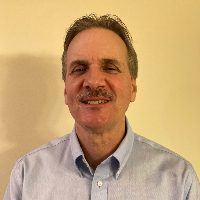
About Michael
He uses straightforward, person-centered work that helps people talk through what matters most. Sessions often focus on practical steps for coping with stress, improving communication, and addressing substance use and trauma reactions. He blends listening with skills and strategies people can try between meetings.
Michael draws on cognitive behavioral ideas to help people notice unhelpful thinking and try different behaviors. He also uses mindfulness practices to calm the body and reduce reactivity. Motivational interviewing supports clients who want to change habits but feel stuck.
He has extensive experience across clinical settings, including mental health, substance use, domestic violence, and trauma care. He has worked as a clinical supervisor and as a consultant on trainings and program development.
In a independent group practice, he helps people with life adjustment, caregiver stress, chronic illness challenges, parenting strains, and questions about identity and purpose. Michael’s style is pragmatic and respectful, aimed at helping each person find workable options for their situation.
How Michael’s approaches translate to online work
Michael uses client-centered work that focuses on each person’s priorities. That approach means sessions begin by listening to what feels most pressing and shaping the work around those goals. Cognitive behavioral therapy helps people identify unhelpful thoughts and try different actions; it is often useful for anxiety, low mood, and coping with stress.Mindfulness practices are used to build awareness of thoughts and bodily reactions and to reduce reactivity in stressful moments. These methods can help with sleep, anxiety, anger, and managing cravings. Michael approaches treatment collaboratively and will help clients decide which methods to try based on their goals and preferences.
The therapist’s biography does not list specific online session formats, so confirm current delivery options before booking. Many people find online work helpful because it can fit into a busy day, cut down on travel time, and make it easier to keep regular meetings. Online sessions also allow for shorter check-ins or flexible scheduling when needed, and Michael will work with each person to make sessions practical and relevant to daily life.
Frequently asked questions
What kinds of problems does Michael help with?
He helps people with stress, anxiety, addictions, trauma and abuse, grief, depression, relationship and intimacy issues, parenting, sleep and eating problems, ADHD, and related life changes.
What is his general therapy style?
Michael uses a client-centered style that emphasizes listening and collaboration. He combines practical strategies from cognitive behavioral and mindfulness approaches to address daily difficulties.
What experience does he bring to sessions?
He has around 40 years of clinical experience working in mental health, substance use, domestic violence, and trauma settings, and has served as a clinical supervisor and consultant.
Where does he practice and what are his credentials?
He practices in Virginia and holds the credential LCSW, which stands for Licensed Clinical Social Worker.
Can I work with him if I live outside the United States?
Sessions are offered in English and he accepts international clients; please confirm logistics when you start the process.
What session formats are available?
The biography does not list specific session formats. Please confirm current session options before booking to make sure they fit your needs.
How are sessions priced?
Cost varies with location and therapist arrangements; sessions use a subscription model that can be canceled at any time.
How do I begin working with him?
Click the continue button on this profile, complete a short matching questionnaire, and schedule according to therapist availability.