- Build on strengths
- Short-term goals
- Everyday strategies
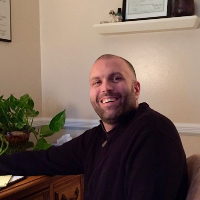
About Michael
He uses a client-centered way of working that puts the person's concerns and strengths first. He also draws on solution-focused ideas that break big problems into concrete tasks. Those approaches are used to address things like anxiety, depression, substance concerns, relationship and intimacy issues, grief, and trouble sleeping.
Michael has 14 years of experience and has worked with people facing developmental differences, executive functioning challenges, trauma, and major life transitions. His practice has included helping individuals develop coping skills and strategies that match their routines and responsibilities. He has also been involved in family-based crisis work and supporting family members as they navigate trauma-related strain.
Sessions aim to build on what already works while introducing small experiments and steps that lead to change. Michael emphasizes clear goals and measurable short-term gains alongside longer-term objectives. Outside of work he lives in South Carolina with his wife, daughters, and two dogs and is motivated by seeing people move toward what matters to them.
He invites prospective clients to start with a simple conversation about goals and practical next steps, then shape a plan that fits their life and priorities.
How client-centered and solution-focused work translates online
Client-centered therapy places the person’s needs and strengths at the center of each session. It involves listening closely, reflecting what matters to the person, and shaping goals around their values. This approach supports people dealing with anxiety, depression, relationship strains, and life changes by keeping work relevant to day-to-day concerns.Solution-focused therapy emphasizes small, practical steps that lead to measurable change. Sessions often break problems into achievable tasks and track short-term gains, which can help with issues like stress, panic episodes, executive functioning challenges, and substance concerns.
Finding the right approach is a collaborative process. The therapist will talk with the client about their needs, goals, and preferences and then try methods that feel useful. If something isn’t working, the plan is adjusted together to better fit the person’s life.
Session format options are not specified in the biography, so confirm current offerings before booking. Online work can make it easier to fit therapy into a busy week, allow for quicker check-ins when needed, and reduce travel time. Some formats are simpler when video or long travel are difficult, while others allow for a full, focused session; discuss practical needs and constraints with the therapist to find the best arrangement.
Frequently asked questions
What concerns does Michael work with?
He addresses stress, anxiety, depression, addictions, relationship and intimacy issues, grief, parenting and family concerns, trauma and abuse, sleep and eating problems, low self-esteem, career questions, and related challenges.
What is his therapeutic style?
He practices client-centered work that focuses on a person’s strengths and priorities. He also uses solution-focused methods to set clear, task-based steps toward change.
How much experience does he have?
He brings 14 years of clinical experience working with a wide range of presenting issues and life transitions.
What are his credentials and where is he based?
He is a licensed clinical social worker (LCSW) with licenses in New York and Nevada, and he practices from South Carolina.
Can sessions be conducted in other languages or with international clients?
Sessions are offered in English. He does accept international clients, so check session options if you are outside the United States.
What session formats are used?
The biography does not list specific session formats. Please confirm current session options with the service before booking.
How is cost handled?
Cost varies by location and therapist availability; sessions use a subscription that can be canceled at any time.
How do I begin working together?
Click the continue button on this profile, complete a short matching questionnaire, and schedule sessions according to the therapist's availability.