- Solution focused
- Client centered
- Relationship support
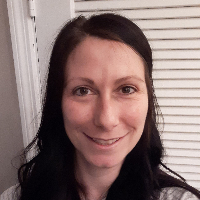
About Rachel
Rachel has worked in hospitals, schools, and community mental health settings. That variety shaped how she approaches different problems and ages. She often uses solution-focused and client-centered techniques to help people tackle immediate challenges and make small changes that matter.
In sessions she aims to create a respectful, compassionate space. She listens for what matters most to each person and builds a plan from there. Plans are tailored to individual goals rather than a one-size-fits-all formula.
She has spent notable time supporting adolescents through personal life challenges, and she also helps young adults navigate transitions and relationships. Rachel pays attention to family dynamics, blended family issues, divorce and separation concerns, and forgiveness when those topics come up.
Her work includes approaches that address mood disorders, self-harm risk, social anxiety, and problems that come from past abuse or trauma. Rachel helps people learn practical skills and new ways of thinking so they can move forward. She encourages self-love and steadier daily routines as part of recovery.
How attachment, CBT, and client-centered methods work online
Attachment-Based Therapy looks at how early connections shape current relationships. Online sessions using this approach can help people notice patterns in how they relate and practice different ways of connecting. Cognitive Behavioral Therapy, or CBT, focuses on the link between thoughts, feelings, and actions. It teaches specific skills for managing anxiety, depression, and mood swings through small, repeatable exercises. Client-Centered Therapy emphasizes listening and respect so people can name their goals and move toward them at their own pace.Choosing the right approach is part of therapy and happens together. The therapist will ask about goals, preferences, and what feels most helpful. From there she will suggest ideas and try methods that match the person’s needs, adjusting as progress is made.
The biography does not specify which online formats are used, so please confirm current session options before booking. Online sessions can make it easier to fit therapy into a busy week, reduce travel time, and allow shorter check-ins when needed. They also allow work on relationship patterns, emotion regulation, and problem-solving exercises without changing the core therapeutic work. Licensed professionals will tailor the session style so it works with daily routines and practical constraints.
Frequently asked questions
What kinds of concerns does Rachel address?
Rachel works with stress, anxiety, depression, relationship and family concerns, trauma and abuse, grief, bipolar disorder, ADHD, anger, and self-esteem issues. She also focuses on blended family issues, divorce and separation, self-harm, social anxiety, and young adult challenges.
How would you describe her therapy style?
She uses a practical, down-to-earth approach that emphasizes solution-focused and client-centered techniques. Sessions aim to set achievable goals and develop steps people can use day to day.
What background does she bring to sessions?
Rachel has 14 years of experience working in hospital settings, the school system, and community mental health. That range informs how she supports people at different life stages.
What credentials and region are listed?
She is a Licensed Professional Counselor (LPC) practicing in Georgia and holding the GA LPC credential as provided.
In which language can sessions be conducted?
Sessions are offered in English and international clients are not currently accepted.
Which session formats are available?
The original biography did not specify session formats. Please confirm current session options with the service before booking so you know what formats Rachel offers.
How is cost handled for sessions?
Cost varies with location and therapist availability; sessions use a subscription that can be canceled at any time.
What steps are needed to begin therapy?
To start, select the continue button on this profile, complete a short matching questionnaire, and schedule according to therapist availability.