- Stress and anxiety
- Grief and loss
- Communication help
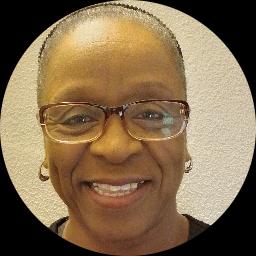
About Sandra
She adapts conversations and care to fit each person's situation rather than using a one-size-fits-all plan. That means working together to identify immediate coping steps and longer-term goals. Sessions often include practical tools for handling worry, managing difficult emotions, and improving communication.
Sandra has supported people through loss and grief, and she offers help for those coping with the aftermath of trauma and abuse. She also addresses caregiver strain, the stress around divorce or separation, and feelings of isolation or shame. Practical problem solving and gentle pacing are part of her approach.
Clients can expect straightforward dialogue about what’s causing distress and what might help next. Sandra emphasizes small, actionable steps that fit into daily life. She encourages self-compassion and works to strengthen relationship skills when that is a core concern.
To begin, she asks people to share where they’re struggling so a tailored plan can be built together. Her work is patient-focused and intended to move people toward clearer coping and steadier emotional balance over time.
Practical approaches for online relationship and stress work
Many therapists describe their methods as evidence-based techniques that aim to reduce symptoms and build skills. One common approach focuses on teaching coping tools for anxiety and stress, such as breathing, grounding, and stepwise problem solving to ease day-to-day overwhelm. This type of work can help when worry, sleepless nights, or constant tension get in the way of relationships and routines.Another useful direction targets processing difficult events and grief by breaking down intense memories and strong feelings into manageable pieces. That approach helps people move through loss or trauma at a pace they can handle while learning ways to reduce triggers and regain steadiness. Both approaches emphasize practical skills and small, measurable changes rather than abstract theory.
Finding the right approach is part of the therapy process. The therapist will talk with each person about their needs, goals, and preferences and then suggest steps to try. Decisions about techniques are collaborative and can be adjusted as progress is made.
If you are considering remote work, confirm the current session options before booking since formats are not specified in the profile. Online sessions can make it easier to fit therapy into a busy week, allow shorter check-ins when needed, and reduce travel time so appointments are simpler to keep. Licensed professionals can adapt exercises and communication practice to work well in remote appointments, helping therapy match real-life schedules and needs.
Frequently asked questions
What kinds of problems does she help with?
Sandra supports people dealing with stress, anxiety, relationship concerns, trauma and abuse, grief, and depression. She also addresses related issues like caregiver stress, communication problems, and isolation.
What is her therapeutic style?
Her style is respectful and practical, focusing on tailored dialog and step-by-step coping strategies. Sandra works with each person to find what helps most in everyday life.
How much clinical experience does she have?
She has eight years of professional experience working with the concerns listed in her profile.
What are her credentials and where is she based?
She is a Licensed Mental Health Counselor, LMHC, and practices in Florida.
Which languages are supported for sessions?
Sessions are offered in English.
Can people outside the U.S. work with her?
She does not accept international clients at this time.
How does cost and billing work?
Cost varies with location and therapist availability; sessions use a subscription that can be canceled at any time.
How do I get started with Sandra?
Use the continue button on this profile, complete a short matching questionnaire, and schedule based on the therapist's availability.