- Client-centered care
- Practical coping skills
- Relationship focus
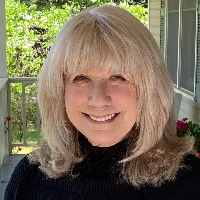
About Sandra
Her work blends client-centered care with cognitive behavioral ideas and elements from emotion-focused and dialectical approaches. That means sessions focus on what matters to the client, and on learning concrete ways to change unhelpful thoughts and behaviors. Sandra also draws on existential and Jungian ideas when it helps people think about meaning, identity, and difficult life choices.
Sessions are collaborative. Sandra listens first, then helps set small, doable goals based on each person’s needs. She uses practical tools for coping, communication, and emotion regulation, and checks in regularly about progress. Many clients find this mix useful for problems such as relationship conflict, sleep trouble, anger, career stress, and caregiving strain.
With 23 years of practice in Georgia, Sandra combines experience with a down-to-earth style. She encourages people to be honest about their struggles and to try manageable changes rather than dramatic overhauls. Her tone is steady and straightforward, focused on real-life improvements.
Sandra asks clients to complete an initial matching questionnaire and to schedule sessions according to availability. Her approach is meant to be flexible so therapy can fit into everyday life while addressing the concerns that brought someone in.
How Sandra’s approaches translate to online therapy
Client-centered therapy focuses on the person’s experience. The therapist listens, reflects, and helps people name what matters most in their lives. Cognitive Behavioral Therapy (CBT) offers structured tools to identify and change unhelpful thoughts and behaviors, which can help with anxiety, depression, sleep problems, and anger. Dialectical Behavior Therapy (DBT) adds practical skills for emotion regulation, distress tolerance, and clearer communication when feelings run high.Finding the right approach is part of the work together. Sandra collaborates with each person to choose methods that match their goals and preferences, and she adjusts plans as progress is made. Clients help set the pace and focus so therapy feels relevant and useful.
Session formats are not specified in the biography, so confirm current options before booking. Online sessions can make it easier to fit counseling into a busy week, reduce travel time, and allow shorter check-ins when schedules demand them. Many people find that meeting remotely supports steady momentum between life's demands while working on relationships, coping skills, or behavior change.
Frequently asked questions
What kinds of problems does Sandra help with?
Sandra works with a wide range of concerns including stress, anxiety, depression, addictions, relationship issues, trauma and abuse, grief, sleep problems, parenting strain, ADHD, and career challenges.
What is her therapeutic style like?
Her style is compassionate and practical, blending client-centered listening with cognitive behavioral techniques and elements from dialectical and emotionally-focused approaches to teach coping skills and improve communication.
How much experience does she have?
She has 23 years of clinical experience working with people facing emotional and relational difficulties in Georgia.
What are her credentials and where is she based?
She is a Licensed Professional Counselor (LPC) practicing in Georgia.
Are sessions offered in languages other than English?
Sessions are offered in English.
Can international clients work with her?
She does not accept international clients at this time.
How does pricing work for sessions?
Cost varies with location and therapist availability and sessions use a subscription that can be canceled at any time.
How do I start a therapy relationship with her?
Begin by selecting the continue button on this profile, completing a short matching questionnaire, and then scheduling sessions according to the therapist's availability.