- Relationship-focused care
- Practical skill building
- Experience with trauma
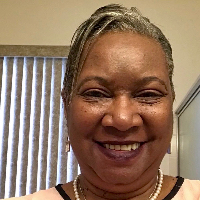
About Stephanie
Stephanie draws on nearly two decades of counseling experience across hospitals, community centers, schools, churches, and independent practice. She uses practical techniques from Cognitive Behavioral Therapy and other integrated approaches to help clients notice and change unhelpful thinking and behavior. Sessions often include skill practice, role play, and everyday strategies people can use between meetings.
Her work includes support around attachment concerns, caregiver stress, communication problems, family of origin issues, grief and end-of-life matters, and challenges related to HIV/AIDS. She has also provided substance abuse counseling and relapse prevention work in family treatment settings.
Stephanie emphasizes collaboration on goals and clear task assignments. She encourages clients to take responsibility for choices and follow through on action steps that promote growth. Progress is tracked by what clients report about daily life and behavior changes.
Her background includes a Master of Arts in Community Counseling from the University of North Carolina at Charlotte and a Master in Theology in Pastoral Care and Counseling from Hood Theological Seminary. She also facilitated marital enrichment programs and has taught about compassion for people living with HIV and AIDS.
How her approaches guide online work
Stephanie commonly uses Client-Centered Therapy to build a respectful working relationship where the client's concerns lead the agenda. This approach focuses on listening, empathy, and helping people clarify their own goals and values.She also uses Cognitive Behavioral Therapy (CBT) to identify and change unhelpful thoughts and behaviors. CBT includes practical tools such as thought records, behavioral experiments, relaxation techniques, and role play to address anxiety, depression, relationship patterns, and stress.
Narrative Therapy is another tool she draws on to help people separate themselves from problems and reframe life stories. This can be useful for addressing trauma, shame, or family of origin issues by looking at how personal narratives shape present behavior.
Choosing the right approach is a collaborative process. She will work with each person to match techniques to goals, preferences, and what fits into daily life. That means trying methods, checking what helps, and adjusting as needed so the work stays practical and focused.
Confirm the current online session options before booking, as formats are not specified here. Online therapy can make it easier to fit sessions into busy schedules, reduce travel time, and allow brief check-ins when needed. It also supports practicing skills in real-life contexts and reviewing homework between sessions.
Frequently asked questions
What kinds of concerns does she help with?
She helps people manage stress, anxiety, depression, trauma and relationship or family problems. Additional areas include attachment issues, caregiver stress, workplace struggles, and end-of-life or HIV/AIDS related concerns.
How would you describe her therapeutic style?
Her style is collaborative and goal-oriented, blending practical techniques with an emphasis on the therapeutic relationship. Clients work on clear tasks and skill practice between sessions.
What experience does she bring?
She has 19 years of counseling experience in settings like emergency rooms, community centers, schools, churches, and independent practice.
What are her credentials and where is she based?
She holds the LCMHC credential and practices in North Carolina.
Can sessions be held in languages other than English?
Sessions are offered in English.
Does she work with international clients?
She is not currently accepting international clients.
How does payment and cost work?
Fees vary with location and therapist availability; sessions use a subscription that can be canceled at any time.
How do I begin a therapy relationship with her?
Use the continue button on this profile, complete a short matching questionnaire, and schedule according to therapist availability.