- Client-centered approach
- Practical goal focus
- Trauma-informed care
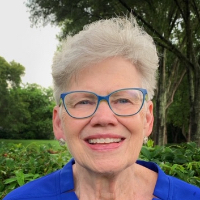
About Susan
Susan uses a client-centered stance that puts the person's experience first. She pairs this with practical tools from cognitive behavioral therapy and solution-focused methods. Motivational interviewing and trauma-focused work are also part of her approach when they match a person's goals.
Sessions move at a practical pace. Susan emphasizes clear goals and small, doable steps that fit into everyday life. She also brings experience addressing parenting strain, family conflict, caregiver stress, and issues such as abandonment, adoption and foster care concerns.
People turn to her for help with persistent mood problems, bipolar disorder, ADHD-related struggles, addiction concerns, chronic illness, or coping after loss. She also supports those facing guilt, shame, or the long work of forgiveness and reconciliation with family of origin issues.
Susan invites straightforward conversation about what matters most. She collaborates with each person to find what helps - whether that is skill-building, short-term problem solving, or deeper trauma work. To begin, readers should use the site's continue button on this profile and follow the short matching questionnaire to schedule an initial session.
Therapeutic approaches and online care
Client-centered therapy focuses on listening and understanding the person first. It aims to help people feel heard and make their own sense of what will help, which is useful for relationship concerns, grief, and stress.Cognitive Behavioral Therapy, or CBT, looks at thoughts and behaviors that keep problems going and teaches practical skills to change them. It is often chosen for anxiety, depression, coping with life changes, and managing mood symptoms.
Motivational interviewing supports people who feel stuck or ambivalent about change. It uses guided conversation to build motivation for steps like reducing substance use or starting a healthier routine.
Choosing the right approach is part of the work. The therapist collaborates with each person to decide what methods fit their needs, goals, and preferences. That may mean mixing approaches over time as progress unfolds.
Session formats are not listed in the biography, so please confirm current options before booking. Many people find online therapy helps fit appointments into busy schedules, allows shorter check-ins on difficult days, and reduces travel time around work or caregiving. Talk with the therapist during the matching process about your routine and what will make regular sessions realistic for you.
Frequently asked questions
What concerns does she commonly address?
Susan works with stress, anxiety, depression, grief, trauma and relationship concerns. Her practice also includes support for addiction, bipolar disorder, ADHD, parenting and family-related issues.
What is her general therapy style?
She takes a client-centered approach that emphasizes listening first. That is paired with practical strategies from cognitive behavioral and solution-focused work to help people meet short- and long-term goals.
How much experience does she have?
She has 25 years working in the mental health field, providing counseling across a wide range of concerns and life stages.
What credentials and location should I know about?
She is a Licensed Mental Health Counselor, LMHC, practicing in Florida.
Which languages are supported for sessions?
Sessions are offered in English.
Can international clients work with her?
She does not accept international clients at this time.
How are sessions paid for and what does cost look like?
Cost varies with location and therapist availability; sessions use a subscription that can be canceled at any time.
How do I begin if I want to work together?
Start by selecting the continue button on this profile, complete the short matching questionnaire, and then schedule an appointment based on the therapist's availability.