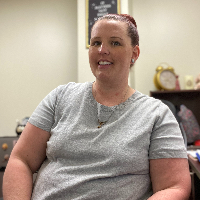
- Warm non-judgmental style
- Strengths-focused guidance
- Trauma-informed care
About Tara
Tara’s approach is warm and direct. She listens first, then helps people notice strengths they can use when life feels overwhelming. She values a steady, respectful relationship and makes space for clients to work through hard memories and current challenges.
Much of her clinical work has focused on mental health disorders, substance use, domestic violence, sexual assault, self-esteem, and eating disorders. She also supports people with stress, anxiety, grief, relationship and intimacy concerns, and career or parenting strain. Tara pays attention to attachment and abandonment themes when they affect how people relate to others.
Her toolbox includes Cognitive Behavioral Therapy, Emotionally-Focused Therapy, Eye Movement Desensitization and Reprocessing, Mindfulness Therapy, and Motivational Interviewing. She adapts interventions to what a person needs in the moment, keeping explanations plain and practical.
Tara emphasizes collaboration. She helps clients set clear goals and tests different coping strategies together. Her focus is on steady progress and learning to rely on personal strengths when facing life changes.
How her approaches fit into online therapy
CBT, or Cognitive Behavioral Therapy, focuses on identifying unhelpful thoughts and testing small behavior changes to reduce symptoms like anxiety and low mood. It is practical and goal oriented, often used for stress, depression, and coping skills.Emotionally-Focused Therapy helps people notice and name strong feelings and how those feelings shape relationships. It can be useful when intimacy, communication, or attachment issues are central concerns.
EMDR, Eye Movement Desensitization and Reprocessing, is a method used to process traumatic memories so they feel less overwhelming. It is often applied when trauma or abuse is a key part of someone's history.
Finding the right approach is part of the work together. The therapist will talk with each person about goals, preferences, and what feels most helpful. She adapts techniques as needs change and checks in about progress along the way.
Confirm the exact session formats before booking, since options are not fully detailed here. Online therapy can make it easier to fit sessions into a busy life - for example fitting a short check-in during a work break or choosing an audio-only conversation when video is impractical. Many people appreciate having steady access to a licensed professional from wherever they are located, and that flexibility can help maintain momentum between sessions.
Frequently asked questions
What issues does Tara commonly help with?
Tara works with stress, anxiety, depression, trauma and abuse, addictions, eating and body image concerns, relationship and intimacy-related issues, grief, parenting strain, and career challenges.
How would you describe her therapeutic style?
Her style is open, caring, and non-judgmental. She focuses on listening, building trust, and using practical strategies that fit each person.
What kind of experience does she bring?
She has about 10 years of clinical experience working with mental health disorders, addiction, domestic violence, sexual assault, eating disorders, and self-esteem concerns.
What credentials and location are listed for Tara?
She holds MA LICSW and VA LCSW credentials and practices in Virginia.
Which languages and international clients are supported?
Sessions are offered in English, and she accepts international clients.
What session formats are available?
Confirm current session options before booking, as formats are not fully specified here and may vary by schedule.
How does cost and billing work?
Cost varies with location and therapist availability; sessions use a subscription that can be canceled at any time.
How do I begin working with her?
Click the continue button on this profile, complete a short matching questionnaire, and schedule sessions based on the therapist's available times.