- Solution focused
- Culture conscious
- Veteran informed
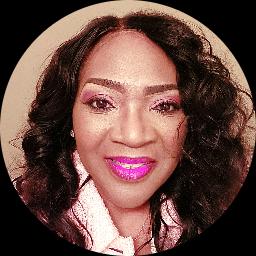
About Tonia
Dr. Hoskins holds a Doctor of Philosophy from Walden University and both a bachelor’s and master’s degree in social work from Georgia State University. She is licensed as an LCSW and also lists CSW as a credential. Her background includes roles as a clinical director, quality assurance manager, and veterans department coordinator.
She has worked in forensic liaison roles and provided education to visiting dignitaries. Her clinical work has involved supporting veterans during transition and serving many clients each week. That varied experience shapes how she tailors sessions to practical life demands.
In sessions she listens for each person’s perspective and life truth. She draws on straightforward tools from client-centered and mindfulness approaches, and on skills-based methods to handle mood, trauma, and relationship concerns. She helps people build coping routines, manage difficult emotions, and improve communication.
Dr. Hoskins also focuses on cultural factors and aims to improve access to care across communities. She brings about eight years of clinical experience to her work and centers respect for each person’s background when planning treatment.
How therapeutic approaches translate to online work
Client-Centered Therapy focuses on listening and understanding a person's experience. The therapist reflects what she hears and helps clients decide their own goals, which can make sessions feel collaborative and personal. Cognitive Behavioral Therapy (CBT) looks at patterns of thought and behavior and teaches concrete skills to manage mood and anxiety. CBT tools are often easy to practice between sessions and can be reviewed together online. Emotionally-Focused Therapy (EFT) helps people notice and name strong feelings and how those feelings shape relationships; it can be useful for addressing intimacy and communication struggles.Finding the right approach is part of the work. The therapist will talk with each person about goals, preferences, and what feels helpful. Together they choose methods and adjust them over time so the plan matches real life and produces useful change.
The original biography does not list specific online session formats, so confirm current options before booking. Many people find online sessions help fit therapy into a busy week, reduce travel time, and allow shorter check-ins when needed. Online work can make it easier to review homework, practice breathing or mindfulness exercises together, and keep momentum between meetings.
Frequently asked questions
What kinds of concerns are addressed?
Issues include stress, anxiety, depression, trauma and abuse, relationship and family problems, parenting, grief, bipolar and other mood disorders, ADHD, intimacy and anger concerns, career and life changes.
How would you describe the therapist's approach?
She uses a client-centered stance combined with skills-based methods like cognitive behavioral techniques, emotionally-focused ideas, mindfulness, and motivational interviewing to help people find concrete steps forward.
What is her professional background?
She has about eight years of clinical experience, has served as a clinical director and veterans coordinator, and has experience in forensic liaison and educational roles.
What credentials and location information are on file?
Credentials listed are LCSW and CSW, with practice located in Georgia.
Are other languages or international sessions offered?
Sessions are offered in English and international clients are not currently accepted.
What session formats are available?
The original biography does not specify session formats; please confirm current session options before booking.
How are fees and payment handled?
Cost varies with location and therapist availability, and sessions use a subscription that can be canceled at any time.
How does someone get started?
Use the continue button on this profile, complete the short matching questionnaire, and schedule according to the therapist's availability.