
Victoria McDaniel-Tracy
LCSWOklahoma · 13 yrs exp
Understanding support for life transitions
Stress, Anxiety · Trauma and abuse · Grief · Self esteem · +11 more
Read profileTherapist listings are provided by BetterHelp. We earn a commission at no additional cost to you if you use our links to purchase.
This directory groups therapist profiles recorded under Oklahoma who list relationship concerns among their specialties. You can compare credentials, approaches, languages, and areas of focus before opening an individual profile; browse the listings below to review details and contact information.
Oklahoma · 13 yrs exp
Understanding support for life transitions
Stress, Anxiety · Trauma and abuse · Grief · Self esteem · +11 more
Read profile
Oklahoma · 20 yrs exp
Compassionate counselor who focuses on strengths
Stress, Anxiety · Trauma and abuse · Anger · Self esteem · +5 more
Read profile
Oklahoma · 10 yrs exp
Relationship-focused counselor for life changes
Stress, Anxiety · Relationship · Grief · Self esteem · +15 more
Read profile
Oklahoma · 16 yrs exp
Practical support for relationship and life challenges
Stress, Anxiety · Relationship · Family · Self esteem · +11 more
Read profile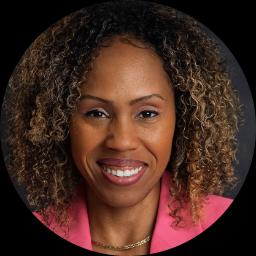
Oklahoma · 5 yrs exp
Practical, relational counseling for life changes
Stress, Anxiety · Relationship · Family · Intimacy-related issues · +1 more
Read profileWhen relationships feel strained, you may be seeking help to clarify your own needs, improve communication, set or maintain boundaries, manage repeating patterns, or make decisions about separation or future steps. Individual work can be a place to explore your reactions, practice new ways of relating, and weigh options without centering another person in the conversation. If you are trying to break a cycle of criticism or avoidance, figure out how to voice limits without escalating conflict, or process the emotional impact of a break, you might look for a practitioner who lists relationship concerns among their focus areas. Keep in mind that a relationship specialty on a profile indicates an interest or area the clinician lists, not a guarantee of any specific therapy format or outcome. You can use that keyword as a starting point to learn more about how a given clinician approaches individual relationship work and whether their way of describing practice fits what you are seeking.
Profiles grouped under Oklahoma reflect the location field recorded by each clinician, but that alone is not proof of an active office, a particular practice address, or legal permission to work with you in every situation. Licensure rules vary by state and by professional credential, and some practitioners list multiple states or indicate that they work in a certain jurisdiction. Before you move forward, review the individual profile for license details, stated practice areas, and any notes about geographic permissions. If you plan to work with someone remotely or across state lines, ask directly whether they hold a license that authorizes care for your location and how that affects the scope of the work they can offer you. Verifying licensure through your state board and confirming permission to work where you live will help you make an informed choice. Remember that a relationship specialty does not automatically mean the clinician provides couples or family therapy, treats minors, or covers all possible concerns; those are specifics to clarify with the clinician.
When you examine profiles, look for language that explains how a clinician describes their approach and the populations they mention. Useful questions you can bring up when you contact someone include: Which approaches do you list among your approaches and how do you apply them to individual work on relationship issues? Can you describe examples of how you have worked with people who wanted to improve communication or set firmer boundaries? What kinds of relationship-related concerns do you most often see in your practice, and with which age groups or family situations do you have experience? It is appropriate to ask whether the clinician typically focuses on individual clients rather than couples or families, since a relationship specialty does not guarantee joint-session offerings. If a profile lists specific approaches, such as narrative, emotion-focused, or somatic ideas, frame your question to learn how those approaches are integrated in day-to-day sessions rather than assuming training or certification. These conversations help you assess fit based on how the professional describes their priorities, language, and typical steps in the work.
If you intend to connect remotely, address several practical and clinical topics early in your conversations. Confirm whether the clinician is permitted to work with people who live in your state and how they handle situations that require local referrals. Ask about privacy and data handling practices, such as how session notes, messages, and shared documents are stored, and what communication channels they prefer for scheduling or brief questions. Discuss what to do in an emergency or crisis so you know how the clinician will support you and whether they will refer to local resources when needed. You can also clarify practical expectations like session length, cancellation policies, and how the clinician typically structures goals and check-ins. These are not questions about outcomes; they are fundamental details that help you understand the logistical and ethical framework that will shape the working relationship. If you have accessibility needs or language preferences, mention them so you can learn whether the clinician can accommodate them or refer you to someone who can.
Comparing profiles effectively means looking beyond a single keyword and reading several elements together. Start by noting the specific concerns listed - for instance, communication breakdowns, boundary setting, recurring relationship patterns, or separation transitions - and see which clinicians explicitly mention the issues you want to address. Pay attention to how they describe their approach in plain language and whether they indicate a preference for working with individuals who are navigating relationship questions. Languages spoken are often listed on profiles, and that can be important if you wish to work in a language other than English; consider whether conversational nuance matters in your work and how language is presented in the clinician's description. For credentials, check the type of license, the state or states named, and any professional titles used. Those details help you determine whether someone is authorized to practice in your location. Style and tone on a profile can signal whether a clinician takes a more directive, skills-based, reflective, or collaborative stance - read sample language and any client-facing descriptions to gauge this. Concrete comparison questions you can keep in mind are: Do they list the specific relationship issue I want to work on? Which populations or age groups do they mention? What languages do they offer? Which states or licensure details are shown? How do they describe the way they work with individuals on relationship matters? After you narrow your options, reach out to ask about scope of practice and whether the clinician regularly addresses the particular challenges you face. That conversation will clarify any remaining questions and help you decide which profile feels like the best fit for your next step.
Choosing a clinician is a personal decision that benefits from careful comparison and direct questions. Use the profiles as a starting point to learn about focus areas, professional credentials, and communication style, and confirm license and permission to work with you in your location before beginning. With clear questions and attention to fit, you can find a clinician whose described focus aligns with the relationship concerns you want to explore.
Attachment Issues
1808 therapists
Codependency
1728 therapists
Communication Problems
3258 therapists
Coping with Life Changes
3684 therapists
Divorce
2201 therapists
Family
3440 therapists
Family of Origin Issues
1423 therapists
Forgiveness
2639 therapists
Jealousy
1244 therapists
Life Purpose
2854 therapists
Relationship
4548 therapists