- Values-based tools
- Trauma-informed support
- Workable skills
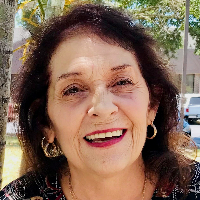
About Ann
She returned to school in her 40s to pursue a long-held goal of becoming a therapist, and that personal journey shapes how she works with people now. Sessions are collaborative and practical. She listens for patterns that get in the way and offers tools to manage emotion, cravings, and difficult memories.
Ann blends several well-known approaches to match individual needs. She uses cognitive behavioral techniques to identify unhelpful thinking, dialectical behavior strategies to teach emotional regulation, and acceptance-based methods to help people live by their values. Attachment-informed ideas are used when relationship patterns or past losses are central to the concern.
Her practice addresses a wide range of issues including addiction, trauma and abuse, eating and body image concerns, parenting stress, compassion fatigue, and relationship or intimacy-related struggles. Ann also supports people coping with life changes such as aging, caregiving, or medical challenges.
Sessions are offered in English from her Arizona practice. People who want to start can expect a respectful, down-to-earth approach focused on practical steps and steady progress.
Therapeutic approaches you can use online
Ann often draws on Acceptance and Commitment Therapy, Attachment-Based ideas, and Client-Centered principles. Acceptance and Commitment Therapy (ACT) helps people notice painful thoughts without getting stuck and choose actions that match their values; it is useful for anxiety, grief, and life transitions. Attachment-Based Therapy looks at how early relationship patterns affect current bonds and communication, which can help when intimacy or trust is a concern. Client-Centered Therapy emphasizes a respectful, nonjudgmental relationship where the person sets goals and the therapist follows their lead.Finding the right approach is part of the work together. Ann will talk with each person about goals and preferences, then try methods that fit those needs. That collaborative process helps adjust techniques as progress is made and new priorities emerge.
Session formats are not specified in the biography, so please confirm available options before booking. Online therapy can make it easier to fit sessions into busy lives, allow shorter check-ins when schedules are tight, and reduce travel time. Licensed professionals can use video or phone approaches to teach skills like emotion regulation, values-based action, and communication practice in ways that map directly onto daily routines.
Frequently asked questions
What kinds of concerns does she help with?
The practice supports people dealing with stress, anxiety, addictions, trauma and abuse, grief, depression, relationship and intimacy-related issues, eating concerns, parenting stress, anger, self-esteem, bipolar disorder, ADHD, and more.
What is her therapeutic style like?
Sessions are collaborative and practical, combining cognitive behavioral techniques, dialectical behavior strategies, acceptance-based work, and attachment-informed perspectives to teach coping skills and address patterns.
How long has she been practicing?
She has 14 years of experience as a therapist, and she returned to school in her 40s to pursue her counseling career.
What credentials and location are listed?
She holds the LCSW credential and practices in Arizona with licensure noted for FL LCSW and AZ LCSW.
Which languages are sessions offered in?
Sessions are offered in English.
Does she work with clients outside the United States?
International clients are not currently accepted.
How are fees and payment handled?
Cost varies with location and therapist availability; sessions use a subscription that can be canceled at any time.
How do I begin a counseling relationship?
Use the continue button on this profile, complete a short matching questionnaire, and schedule according to therapist availability.