- Relationship concerns
- Trauma and addiction
- Mindfulness and skills
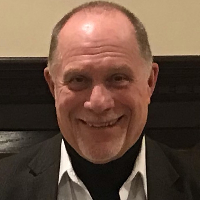
About David
He uses a blend of approaches to match each person’s needs. Sessions often address how past attachment patterns and current thinking habits affect relationships and daily functioning. Mindfulness and skills training appear alongside motivational methods to support change in behavior and mood.
Spann’s background includes work in outpatient, residential, and hospital settings, including time at a Naval Hospital working with active duty Marines. That experience informs how he sees the effects of trauma, addiction, and mental illness on family stress and life quality. He also brings years of leadership, program development, and crisis intervention training to his clinical perspective.
Practical tools are part of the process. He uses techniques from trauma-focused cognitive therapies, dialectical behavior therapy, and family systems work to teach coping skills and communication strategies. Sessions aim to strengthen personal resilience and improve how people relate to others.
Many clients benefit from short-term coaching-style work as well as longer therapy. Spann’s schedule includes weekday availability and some flexibility by agreement. Prospective clients should pick the continue button on this profile to begin the matching and scheduling process.
Therapeutic approaches and how they work online
Attachment-Based Therapy focuses on patterns formed in early relationships and how those patterns affect current connections. It helps people understand why they react to closeness or distance the way they do and supports building more steady ways of relating.Client-Centered Therapy centers on listening and working at the client’s pace. The therapist follows the person's concerns, reflects what comes up, and helps the client find their own direction and answers.
Cognitive Behavioral Therapy, including trauma-focused variants, looks at how thoughts and behaviors keep problems going. It teaches practical tools to change unhelpful thinking and to practice new behaviors in daily life.
Finding the right approach is part of the work. The therapist will collaborate with each person to decide which methods fit their needs, goals, and personal preferences. This is a shared process that can change as progress is made.
If you are considering online sessions, confirm the specific session options before booking since formats are not listed in the biography. Online work can make it easier to fit therapy into a busy schedule, reduce travel time, and allow shorter check-ins when needed. It can also let people do mindfulness practice and homework between meetings to reinforce skills learned in sessions.
Frequently asked questions
What issues does he address?
He works with addictions, trauma and abuse, grief, anxiety, depression, relationship and intimacy-related issues, parenting stress, anger, self-esteem, bipolar disorder, career and life changes, and compassion fatigue.
What is his therapy style like?
He combines attachment-focused insight with client-centered conversation and skills-based approaches such as CBT and DBT. Sessions mix discussion, practical exercises, and mindfulness practice.
How much experience does he have?
He has 29 years of clinical experience across outpatient, residential, and hospital settings, including work with active duty Marines at a Naval Hospital.
What credentials and location are listed?
He is licensed as an LCSW and an LISW and practices in North Carolina.
Which languages are supported?
Sessions are offered in English.
Do sessions include online or other formats?
Please confirm current session options before booking, as the biography does not list specific session formats.
How are sessions paid for?
Cost varies with location and therapist availability; sessions use a subscription model that can be canceled at any time.
How do I begin the process?
Select the continue button on this profile, complete a short matching questionnaire, and schedule according to the therapist's availability.