- Relationship support
- Practical strategies
- Strengths focused
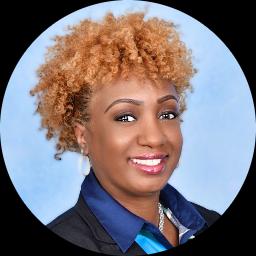
About Dwanne
Clayton centers work on practical steps that people can use between sessions. She treats each person as the expert on their life and looks for strengths to build on. Sessions often include talking through patterns, trying new ways of communicating, and practicing skills for coping with change.
Her methods draw on several well-known approaches. Cognitive Behavioral Therapy (CBT) helps people notice unhelpful thoughts and change behaviors. Acceptance and Commitment Therapy (ACT) focuses on values and taking meaningful action even when emotions are hard. Client-Centered Therapy emphasizes listening and understanding the person's experience.
Clayton has five years of clinical therapy experience. She works with issues such as parenting strain, caregiver stress, career concerns, ADHD, and relationship communication problems. She also addresses less common areas like adoption and foster care questions, blended family challenges, and kink-friendly topics.
People who choose her can expect straightforward guidance and a collaborative attitude. She aims to help clients set realistic goals and make steady changes. To begin, readers are invited to use the Start Therapy process on the site to match and schedule sessions.
How therapy methods translate to online sessions
Acceptance and Commitment Therapy (ACT) helps people clarify what matters to them and take small actions that match those values even when feelings are difficult. It can be useful for anxiety, depression, relationship decisions, and coping with life changes.Cognitive Behavioral Therapy (CBT) focuses on identifying unhelpful thoughts and testing them with real-life experiments. It often helps with worry, low mood, sleep problems, and changing patterns that get in the way of daily life.
Client-Centered Therapy emphasizes a listening, nonjudgmental stance and supports people as they find their own solutions. This approach can be helpful when someone needs space to sort through emotions and decisions about relationships or parenting.
Choosing the right approach is part of the work. The therapist will talk with clients about their goals, preferences, and how they respond to different methods. Together they decide which techniques to try and adjust the plan as progress unfolds.
The practical benefits of online therapy include fitting sessions into a busy schedule and keeping momentum between appointments. Because session formats are not specified here, confirm current options before booking so you know how sessions are held. Many people find online work easier to attend on commute days, during a lunch break, or when balancing caregiving and work demands.
Frequently asked questions
What concerns does she help with?
She works with a wide range of concerns including stress, anxiety, depression, relationship issues, grief, trauma and abuse, self-esteem, intimacy-related problems, and parenting strain.
What is her therapeutic style like?
Her style is collaborative and practical. She listens closely and helps people try new ways of thinking and communicating that fit their life.
How much clinical experience does she have?
She has five years of experience providing therapy to clients after completing her social work training and holding clinical credentials.
Where is she licensed and located?
She practices in Florida and holds LCSW credentials including FL LCSW and GA LCSW.
Which languages are supported for sessions?
Sessions are offered in English.
Can people outside the U.S. work with her?
She does not work with international clients at this time.
How are sessions scheduled and what does it cost?
Cost varies with location and therapist availability, and sessions use a subscription that can be canceled at any time.
How do I begin the process?
Use the continue button on this profile, complete the short matching questionnaire, and schedule sessions according to the therapist's availability.