- Practical coping skills
- Values-based work
- Mindfulness practice
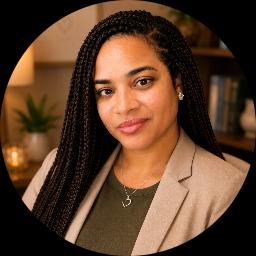
About Felecia
Felecia practices in Nevada and brings seven years of experience to her sessions. She uses straightforward, practical methods so people leave with usable tools. Conversations focus on what is happening now, and on small changes that can make daily life easier.
Her approach draws on Acceptance and Commitment Therapy, Cognitive Behavioral Therapy, Dialectical Behavior Therapy, Client-Centered Therapy, and existential ideas. That mix helps with changing unhelpful thinking, tolerating strong emotions, and clarifying values and goals. Sessions often include mindfulness exercises, behavioral experiments, and skills practice tailored to each person.
She emphasizes collaboration and cultural responsiveness. Clients are invited to name what matters and to set realistic steps toward those goals. The tone is direct and supportive, aimed at helping people build better communication, cope with loss, and repair daily routines.
Felecia aims to reduce isolation and shame while strengthening self-understanding and connection. People leave sessions with clearer plans and concrete coping strategies they can use between meetings.
How her approaches translate to online work
Acceptance and Commitment Therapy (ACT) helps people clarify what they care about and take small actions toward those values while accepting difficult feelings. It can be useful for anxiety, low mood, and feeling stuck. Cognitive Behavioral Therapy (CBT) focuses on identifying unhelpful thoughts and testing new behaviors to change mood and habits; it often works well for anxiety, depression, and stress. Dialectical Behavior Therapy (DBT) offers practical emotion regulation and distress-tolerance skills for people who feel overwhelmed by strong emotions.Finding the right approach is part of the work. The therapist will talk with each person about goals, preferences, and what feels most helpful. That collaborative process means techniques can be adjusted over time so sessions fit what the client needs.
The biography does not list specific session formats, so confirm current options before booking. Online therapy can make it easier to fit sessions into a busy life, reduce travel time, and allow quicker check-ins between appointments. Some formats work better for focused skills practice, while others suit longer, reflective conversations. Talk with the therapist when scheduling to decide which arrangement best supports your goals and daily routine.
Frequently asked questions
What concerns does Felecia commonly address?
She works with stress, anxiety, depression, ADHD, addictions, grief, relationship and intimacy-related issues, parenting strain, and related concerns such as abandonment and attachment problems.
How would you describe her therapy style?
Her style is collaborative and straightforward. Sessions focus on clear steps, practical skills, and personal values rather than jargon.
What background and experience does she bring?
Felecia has seven years of clinical experience and has worked with a range of mood and relationship concerns to help people develop coping strategies and improve daily functioning.
What credentials and location are listed for this therapist?
She holds the LCSW credential and is listed as practicing in Nevada with licensing also noted for Utah and Arizona.
Which languages are supported and can she see international clients?
Sessions are offered in English. International clients are not currently accepted.
What session formats are available?
The original biography does not specify session formats. Confirm the current session options before booking to know whether sessions are virtual, phone, or in-person.
How are costs handled for therapy with this clinician?
Cost varies with location and therapist availability; sessions use a subscription that can be canceled at any time.
How do I begin working with her?
Start by selecting the continue button on this profile, completing a short matching questionnaire, and scheduling according to the therapist's availability.