- Person-centered care
- Focus on relationships
- Practical strategies
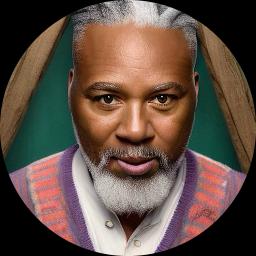
About James
He creates a calm, nonjudgmental space where people can say what’s on their mind. Sessions focus on listening first and then finding practical steps a person can try between meetings. He names goals that matter to each person and checks in on progress over time.
Dr. Young has worked with clients across a wide range of life challenges, including grief, parenting strains, bipolar and depressive concerns, and major life changes. He also brings experience supporting people connected to adoption and foster care, caregiving stress, first responder issues, and gender and sexual identity concerns. His background covers both everyday pressures and deeper, longer-standing struggles.
He uses approaches that center the person’s experience, including client-centered work, cognitive behavioral tools, emotionally-focused methods, mindfulness, and motivational interviewing. Those methods are adapted to each person’s style and goals rather than applied the same way to everyone.
People who prefer direct conversation, clear steps, and steady emotional support may find his style a good fit. To begin, prospective clients use the site’s continue button on this profile to complete a short matching questionnaire and schedule sessions according to therapist availability.
How his approaches translate to online work
Dr. Young commonly uses client-centered therapy and cognitive behavioral therapy in his work. Client-centered therapy focuses on listening closely and reflecting what a person says so they feel heard and understood; it helps when someone needs a steady, accepting space to talk through problems. Cognitive behavioral therapy looks at how thoughts and behaviors connect and uses practical exercises to change unhelpful patterns; it is useful for anxiety, mood concerns, and attention-related challenges.Finding the right approach is a team effort. He will talk with each person about their goals, preferences, and past experiences and then suggest methods to try. That plan can change over time based on what feels most helpful in sessions.
If you want online work, confirm the available session formats before booking. The main practical benefit is flexibility - therapy can fit around work, school, or caregiving by reducing travel and making scheduling simpler. Online sessions also make it easier to keep short check-ins when life gets busy, or to use video or audio depending on bandwidth and comfort. Ask about current options during the intake so you can pick what best fits your routine and needs.
Frequently asked questions
What concerns does Dr. Young focus on?
He works with stress, anxiety, trauma, self-esteem, ADHD, addictions, relationship and intimacy-related issues, grief, parenting, bipolar and depressive concerns, and related life changes.
What is his therapeutic style like?
He uses a person-centered approach with practical techniques. Sessions involve listening, identifying goals, and trying small steps between meetings.
How long has he been practicing?
He has nine years of professional experience providing counseling and support to adults with varied concerns.
What credentials and region apply to his practice?
He is a Florida Licensed Mental Health Counselor (FL LMHC) and practices in Florida.
Which languages are sessions offered in?
Sessions are offered in English.
Can international clients work with him?
International clients are not currently accepted.
How are sessions scheduled and what formats are used?
Please confirm current session options before booking by completing the matching questionnaire and scheduling according to the therapist's availability.
How much do sessions cost and what is the billing model?
Cost varies with location and therapist availability; sessions use a subscription that can be canceled at any time.