- Strengths based
- Practical skills
- Collaborative care
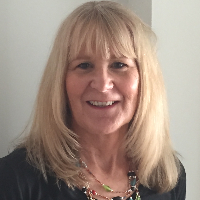
About Linda
Linda centers sessions on each person’s needs rather than a one-size-fits-all plan. She borrows tools from several therapy approaches to build a plan that fits the situation. The goal is to find coping skills that work day to day and feel doable.
Her style is collaborative and respectful. She describes therapy as a team effort where the client’s goals guide the work. Sessions often include learning concrete strategies for managing mood, stress, sleep, and relationship concerns.
Linda has long experience with substance use and co-occurring mental health issues. She also helps people navigate parenting stress, caregiving burdens, aging concerns, and life-stage transitions that bring grief or role changes. She pays attention to patterns from family of origin and issues like guilt, shame, and isolation.
In sessions she may teach behavioral techniques, grounding and mindfulness practices, and communication skills. She also uses motivational interviewing ideas to support change and DBT strategies when emotions feel overwhelming. Her approach aims to be practical, steady, and compassionate.
Asking for help can feel hard, and she frames early sessions as a chance to clarify goals and try small steps. Clients work at a pace that fits their life while learning tools to handle stress, manage mood, and improve relationships.
How therapeutic approaches guide online work
Client-Centered Therapy focuses on listening and building a trusting relationship. It helps when someone needs a space to be heard and to find their own answers rather than follow a fixed plan.Cognitive Behavioral Therapy, or CBT, looks at thoughts and behaviors that keep problems going. It teaches practical exercises to change unhelpful thinking and to build new habits for mood, sleep, and stress management.
Dialectical Behavior Therapy, DBT, includes skills for managing intense emotions and improving relationships. It often uses short, practical strategies for handling strong feelings and reducing impulsive behavior.
Finding the right approach is part of the work. The therapist will talk with each person about goals, needs, and preferences, then try methods that fit. That collaborative process helps decide whether to emphasize CBT tools, DBT skills, or a client-centered pace.
Confirm the session formats available before booking, since specific options are not listed in the profile. Online therapy can make it easier to fit sessions into a busy life, cut down travel time, and allow for shorter check-ins on hectic days. It also lets people use tools learned in sessions right away in their daily routines.
Frequently asked questions
What issues does Linda address in therapy?
She helps people with stress, anxiety, depression, addictions, trauma, grief, and relationship concerns. Additional focus areas include caregiving stress, aging issues, postpartum concerns, and process addictions.
How would you describe her therapy style?
Her approach is collaborative and straightforward. She individualizes sessions and focuses on teaching concrete coping skills and communication strategies.
How much clinical experience does she have?
She brings 30 years of clinical experience working across a range of settings with mood disorders, substance use, trauma, and life transitions.
What credential does she hold and where is she based?
She is a Licensed Clinical Social Worker, LCSW, licensed in Florida and practices from that state.
Which languages are sessions offered in?
Sessions are offered in English.
What session formats are available?
Please confirm current session options before booking, as the therapist's profile does not list specific formats. Check the booking flow for up-to-date format details.
How does pricing work for sessions?
Cost varies with location and therapist availability. Sessions use a subscription that can be canceled at any time.
How do I begin working with her?
Select the continue button on this profile, complete the short matching questionnaire, and schedule according to therapist availability.