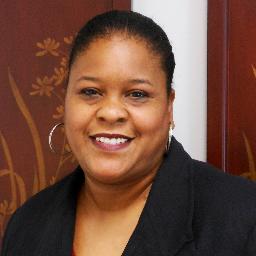
- Warm and interactive
- Values-informed care
- Practical goal focus
About Lori
She uses a God-focused perspective alongside evidence-based techniques to shape conversations and goals. That means clients can expect dialog that connects personal values with practical steps. Lori aims to tailor plans to each person's situation rather than using one-size-fits-all solutions.
Common issues she helps with include parenting challenges, intimacy-related concerns, trauma and abuse recovery, and coping with life changes. She also supports people struggling with addictions, anger, low self-esteem, isolation, and career questions. Communication problems, divorce and separation, and questions about life purpose are additional areas she addresses.
Lori integrates Client-Centered methods with Cognitive Behavioral Therapy and Solution-Focused ideas. Sessions emphasize listening, reflecting, and building small, achievable changes. The work is collaborative and paced to match what each person needs.
She practices in North Carolina and offers services in English. Lori describes her role as supportive and empowering, helping people take concrete steps toward a more fulfilling life. If someone is ready to begin, she invites them to reach out and start the process.
How Lori’s Approaches Work Online
Client-Centered Therapy focuses on listening and understanding the person’s experience. The therapist mirrors feelings and priorities so the client feels heard and can clarify what matters most. This approach is helpful for people who want a supportive space to talk through difficult emotions.Cognitive Behavioral Therapy (CBT) looks at how thoughts, feelings, and actions connect. Sessions include noticing unhelpful thinking patterns and trying small behavior changes to reduce anxiety or depression. CBT is often useful for stress, mood symptoms, and managing day-to-day coping skills.
Solution-Focused Therapy zeroes in on practical next steps and strengths. It asks what would be different if things improved, then identifies small, doable changes to try between sessions. This approach can be a good fit for people seeking concrete progress in areas like communication or life transitions.
Finding the right approach is a team effort. Lori works with each person to decide which methods match their goals, values, and preferences. That collaborative decision helps shape the session plan and what is tried first.
Confirm current session options before booking so you know how sessions will be delivered. Online therapy can make it easier to fit counseling into a busy day, allow shorter check-ins when needed, and reduce travel time. Those practical benefits help people keep momentum while working toward clearer communication, better coping, and small, measurable changes.
Frequently asked questions
What kinds of concerns does Lori address?
She helps people with stress, anxiety, depression, relationship and intimacy-related issues, parenting, trauma and abuse, addictions, anger, self-esteem, and life changes.
What is her therapeutic style like?
The style is warm and interactive, combining a God-focused perspective with practical talk. Sessions emphasize respect, sensitivity, and collaborative goal setting.
How long has she been practicing?
Lori has about 15 years of experience working with people facing a wide range of life and emotional challenges.
What are her credentials and where is she based?
She holds the LCMHC credential and practices in North Carolina.
Can sessions be held in languages other than English?
Sessions are offered in English.
Does she work with people outside the United States?
She accepts international clients.
How are sessions scheduled and what does it cost?
Cost varies with location and therapist availability, and sessions use a subscription that can be canceled at any time.
How do I start a session with her?
Select the continue button on this profile, complete a short matching questionnaire, and schedule according to therapist availability.