- Relationship support
- Anxiety and stress
- Addiction coping
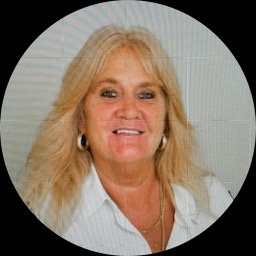
About Mary
She uses methods that help people notice what matters, change unhelpful thinking, and build motivation for better choices. Sessions are shaped around each person's needs and goals. Conversations aim to be direct, kind, and focused on what will move someone forward.
Clients often bring issues like codependency, control struggles, divorce or separation, and problems with drug or alcohol use. Mary also supports people dealing with guilt, shame, impulsivity, and finding life purpose. She pays attention to workplace strain and concerns common to young adults and women.
Her approach draws on Acceptance and Commitment Therapy, cognitive behavioral ideas, mindfulness, client-centered conversation, and motivational interviewing. Mary works to help people notice patterns, try new behaviors, and practice small changes between sessions.
With five years of experience, she frames therapy as a team effort. People who want clear steps and steady encouragement will find a practical, down-to-earth way of working. To begin, readers should use the site’s matching tools to connect and schedule a first visit.
How therapy approaches translate to online sessions
Acceptance and Commitment Therapy (ACT) focuses on helping people clarify their values and take steps toward them even when difficult thoughts and feelings are present. It can be useful for relationship strain, stress, and finding direction. Cognitive Behavioral Therapy (CBT) looks at the links between thoughts, feelings, and actions and uses practical exercises to change unhelpful patterns; it often helps with anxiety, mood problems, and impulsive behaviors. Motivational Interviewing is a conversational method that builds readiness for change by exploring a person’s own reasons and strengths, which is helpful for addictions and low motivation.Finding the right mix of approaches is part of the work. Mary will collaborate with each person to decide which methods fit their goals and preferences. That means trying techniques, reviewing what helps, and adjusting the plan together over time.
Confirm current session options before booking to know what formats are offered. Online work can make it easier to fit therapy into a busy day, allow shorter check-ins when needed, and reduce travel time. It can also help people practice new skills in real life between sessions. Licensed professionals adapt exercises and homework so online sessions stay focused and practical.
Frequently asked questions
What concerns does she commonly help with?
She helps people with stress, anxiety, addictions, relationship struggles, and self-esteem. Additional topics include codependency, divorce and separation, and workplace issues.
What is her therapeutic style like?
Sessions are collaborative and practical, with a focus on clear steps and honest conversation. Techniques come from mindfulness, cognitive behavioral ideas, and motivational interviewing.
How much experience does she bring?
Mary has five years of professional experience working with clients on mood, motivation, and behavior change.
What credentials and region are listed?
She is a Florida licensed mental health counselor, listed as LMHC, and is located in Florida.
Which languages are sessions offered in?
Sessions are offered in English.
Does she work with international clients?
Mary is not currently accepting international clients.
How are fees and payment handled?
Cost varies with location and therapist availability, and sessions use a subscription that can be canceled at any time.
How do I start a first session?
Click the continue button on this profile, complete a short matching questionnaire, and schedule according to therapist availability.