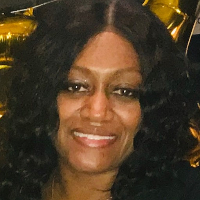
- 20 years experience
- Relationship focused
- Works in English
About Monica
She uses straightforward, goal-focused conversations to clarify what matters most to each person. Sessions often center on improving communication, managing emotions, and building small habits that make daily life easier. Practical tools are paired with attention to how culture, identity, and family history shape experience.
Monica blends approaches such as Acceptance and Commitment Therapy, Cognitive Behavioral Therapy, and Client-Centered work to match what each person needs. She also draws on Motivational Interviewing and Solution-Focused Therapy when the situation calls for it. These methods are used to address issues like coping with chronic illness, caregiving stress, body image and eating concerns, and codependency.
Over twenty years in Maryland practice have included work with people facing bipolar disorder, ADHD, career strain, and compassion fatigue. She pays attention to the overlap between mental and physical health when problems co-occur. Monica aims to help people find clearer priorities and more workable routines.
Her approach is collaborative and down-to-earth. She helps people set realistic goals, test new ways of responding, and build momentum. Prospective clients should confirm current session options before booking.
How therapeutic approaches guide online work
Acceptance and Commitment Therapy (ACT) helps people notice unhelpful thoughts and focus on values-based action. It is often used for anxiety, stress, and coping with life changes. Cognitive Behavioral Therapy (CBT) looks at the links between thoughts, feelings, and behaviors and teaches concrete skills to reduce symptoms like depression and anxiety. Client-Centered Therapy centers the person's own experience, offering empathic listening and reflective feedback to help people feel understood and find their own answers.Finding the right approach is part of the work together. The therapist will collaborate with each person to choose methods that match their goals, needs, and preferences. That can mean trying different techniques and adjusting the plan as progress is made.
Confirm current session options before booking so you know what formats are available. Online therapy can make regular meetings easier to fit into a busy week, reduce travel time, and allow for shorter check-ins when needed. It can also let people use audio-only contact if they prefer less bandwidth or are having a low-energy day. Discussing practical scheduling needs helps ensure sessions fit into everyday life.
Frequently asked questions
What kinds of concerns does Monica help with?
She supports people with stress, anxiety, depression, addictions, relationship and family issues, trauma and abuse, grief, intimacy and eating concerns, parenting strain, ADHD, bipolar, and related challenges.
What is her therapeutic style like?
Her style is practical, collaborative, and calm. Conversations focus on communication, emotion management, and small behavior changes that improve daily life.
What experience does she bring?
She has twenty years of clinical experience working in Maryland settings supporting a wide range of life challenges and co-occurring health concerns.
What credentials and location should I know about?
She holds the LCSW-C credential in Maryland and practices from that state.
Which languages are supported?
Sessions are offered in English.
Can I work with her from outside the United States?
She is not currently accepting international clients.
How are costs handled?
Cost varies with location and therapist availability; sessions use a subscription that can be canceled at any time.
How do I begin therapy with her?
Select the continue button on this profile, complete a short matching questionnaire, and schedule according to therapist availability.