- Client-centered support
- Solution-focused work
- Mindfulness practice
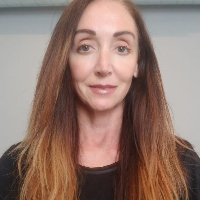
About Pamela
She focuses on common struggles like anxiety, depression, addiction, and relationship concerns. Parenting and family tensions are part of her work, as are issues with sleep, eating, anger, and self-esteem. She also supports people facing grief, trauma, intimacy challenges, and career or financial stress.
Pam uses a client-centered approach that keeps each session focused on the person's priorities. She pairs that with solution-focused techniques to set achievable steps and with mindfulness to help manage strong feelings. Motivational interviewing is used when people want to find the motivation to change behaviors.
Her background includes managing therapy programs and supervising other professionals pursuing licensure. That experience informs a practical style that aims to make therapy feel useful from session to session. Conversations tend to be collaborative and goal oriented.
When working together, Pam helps people name their goals and break them into manageable steps. She listens first, then helps plan next actions. If someone is ready to begin, she asks them to complete a brief matching questionnaire and schedule a first appointment.
Approaches that guide online work and practical support
Client-centered therapy focuses on listening and tailoring the work to each person's needs. It puts the person's goals first and uses the therapist's responses to help clarify what matters most. Mindfulness therapy teaches simple attention and breathing practices to reduce reactivity and manage strong emotions. It can help with anxiety, stress, sleep, and anger by building moment-to-moment awareness.Finding the right approach is part of the work together. The therapist will discuss goals and preferences and help decide which methods to try first. That collaboration means techniques can shift if something isn't helping or if new priorities emerge.
Please confirm current session options before booking, since the biography does not list specific formats. In general, online work can make it easier to fit therapy into a busy schedule. It can reduce travel time, allow shorter check-ins during a workday, and make regular visits more manageable. Licensed professionals can also adapt mindfulness and solution-focused exercises to remote sessions so practical steps and coping strategies continue between meetings.
Frequently asked questions
What concerns does Pam commonly help with?
She works with stress, anxiety, depression, relationship problems, addiction, grief, trauma, and many life changes. Parenting, family issues, and workplace stress are also listed areas of focus.
How would you describe her therapy style?
Her style is client-centered and collaborative, with a solution-focused emphasis. Sessions often include mindfulness and motivational interviewing techniques when useful.
What experience does she bring to therapy?
She has 13 years of experience in community mental health centers, hospitals, agencies, and schools and has managed therapy programs and supervised clinicians pursuing licensure.
What credentials and region are listed for this therapist?
She holds LPC and LPMHC credentials and practices in Pennsylvania.
Are sessions offered in other languages or to international clients?
Sessions are offered in English. International clients are not currently accepted.
What session formats are available?
Please confirm current session options before booking, as specific formats are not listed in the biography.
How are costs and billing handled?
Cost varies with location and therapist availability, and sessions use a subscription that can be canceled at any time.
What are the first steps to begin working together?
Select the continue button on this profile, complete a short matching questionnaire, and then schedule according to the therapist's availability.