- Person-centered approach
- Practical life strategies
- Strengths focused
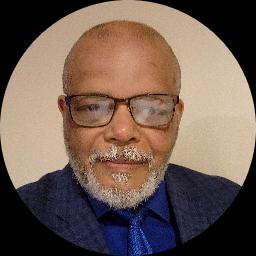
About Paul
He works in a straightforward, person-centered way that focuses on strengths. Sessions aim to identify what’s causing pain and then build practical steps to handle it. Paul can include a Christian perspective when clients want that viewpoint.
Paul often helps people who are coping with parenting challenges, deployment separation effects, addiction, anger, or changes like divorce and career shifts. He also addresses issues such as low self-esteem, attachment concerns, and the difficulties that come with caregiving or blended family dynamics.
His approach blends several methods to match a person’s needs. Techniques include cognitive behavioral ideas for changing unhelpful thoughts, mindfulness to reduce reactivity, and attachment-focused work to improve how people relate to others. Dialectical behavior concepts and motivational interviewing techniques are also part of his toolbox.
In sessions Paul aims for clear, achievable goals. People work on communication skills, coping strategies, and plans they can use in daily life. He emphasizes building lasting skills so improvements continue after therapy ends.
Approaches that shape online sessions
Paul frequently uses attachment-focused work to look at how early relationships affect current connections and communication. This can help people struggling with trust, commitment worries, or recurring relationship patterns.He also draws on cognitive behavioral therapy, which looks at the links between thoughts, feelings, and actions. CBT is useful for anxiety, depression, and changing unhelpful habits. Mindfulness techniques are used alongside this work to help people notice reactions and choose different responses in the moment.
Finding the right approach is part of the process. The therapist will work collaboratively to decide which methods best match a person’s needs, goals, and preferences. Sessions are adjusted over time based on what is and isn’t working.
Session formats are not specified here, so confirm the current online options before booking. Online work can make it easier to fit therapy into a busy life - for example, by reducing travel time, allowing shorter check-ins during a break, or avoiding the need to be on camera when that helps someone focus. Licensed professionals can still guide skill building, communication practice, and problem solving through virtual sessions when those formats are offered.
Frequently asked questions
What kinds of concerns does Paul address?
He helps people with stress, anxiety, trauma and abuse, parenting challenges, anger, self-esteem issues, addictions, relationship and family problems, career concerns, depression, coping with life changes, and ADHD.
How would you describe his therapy style?
His style is person-centered and strengths-based. He combines practical problem solving with supportive listening and can include a Christian lens when requested.
What background informs his work?
He has eight years in mental health practice and earlier service in the U.S. Army, which shapes his focus on practical coping and communication skills.
What are his credentials and where is he located?
He is an LCSW licensed in North Carolina and practices from that state.
Which languages are supported?
Sessions are offered in English.
Can international clients work with him?
He does not accept international clients at this time.
How are sessions scheduled and what formats are available?
Session formats are not listed here; please confirm current session options and scheduling before booking.
How does payment and getting started work?
Cost varies by location and therapist availability and uses a subscription model that can be canceled at any time. To begin, select the continue button on this profile, complete a short matching questionnaire, and schedule according to therapist availability.