- Faith-informed approach
- Evidence-based tools
- Practical steps
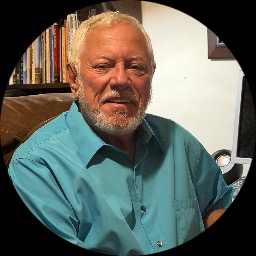
About Raymond
He offers a faith-informed perspective for those who want that lens in therapy. Sessions use practical talk and skill-building rather than long lectures. He helps people sort through guilt, shame, and control issues so they can make clearer choices.
Raymond draws on several evidence-based approaches to shape a plan that fits each person. That can mean working on thoughts and behaviors, practicing new communication habits, or focusing on emotional connection and values. He tailors methods to the issue at hand and the client’s pace.
In sessions he prioritizes clear goals, simple tools, and steady support. People may work on managing impulses, improving relationships, or finding purpose after major life changes. He also addresses caregiver stress, chronic illness or pain challenges, and money-related worries.
His practice encourages practical next steps between meetings. Homework might include small behavior experiments, communication exercises, or values-driven actions. The aim is to make progress feel possible in everyday life.
How these approaches translate to online work
Acceptance and Commitment Therapy (ACT) helps people clarify what matters to them and take small steps toward those values. It focuses on accepting difficult feelings while committing to meaningful action, which can help with anxiety, depression, and life transitions.Cognitive Behavioral Therapy (CBT) looks at how thoughts, feelings, and actions connect. It uses practical exercises to change unhelpful thinking and behavior, useful for anxiety, mood concerns, and impulse control.
Emotionally-Focused Therapy (EFT) centers on the emotional experience behind relationship struggles. It helps people identify and express core emotions to build clearer communication and stronger connections.
Finding the right approach is part of the work. He will collaborate with each person to choose techniques that match their goals and preferences. That means trying strategies, checking what helps, and adjusting the plan together over time.
Online therapy can make it easier to fit sessions into a busy life by removing travel time and offering more flexible scheduling. It can also allow shorter check-ins when appropriate or sessions without video when bandwidth or eye fatigue is an issue. Because formats are not specified in the profile, confirm available session types before booking so arrangements match your needs.
Frequently asked questions
What concerns does this therapist help with?
He helps people facing stress, anxiety, addictions, relationship issues, grief, and anger, plus related problems like control issues, guilt, and isolation.
How would you describe his therapeutic style?
His style is direct and practical with a calm presence. Sessions focus on clear goals, skills practice, and straightforward conversation.
What is his background and experience?
He has 14 years of experience as a counselor and brings long-term clinical practice to helping people navigate emotional challenges.
What credentials and location are listed?
He is a Licensed Professional Counselor, LPC, practicing in Georgia.
Which languages are supported and can international clients connect?
Sessions are offered in English and he accepts international clients.
What session formats are available?
The profile does not list specific session formats; please confirm the current session options before booking.
How are fees and payment handled?
Cost varies with location and therapist availability, and sessions use a subscription that can be canceled at any time.
How do I get started with therapy?
Select the continue button on this profile, complete a short matching questionnaire, and schedule according to therapist availability.