- Evidence-informed methods
- Practical skills
- Collaborative approach
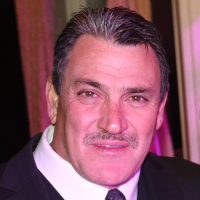
About Timothy
Tim focuses on helping clients understand themselves better and improve how they communicate. Sessions emphasize simple, usable skills for day-to-day life. He aims to help people build resilience and clearer personal boundaries.
His background includes six years of clinical experience working with a wide range of concerns. That includes trauma and abuse, addictions, grief, depression, and challenges with self-esteem and body image. He also helps with parenting stress, career questions, and coping with major life changes.
Tim uses approaches such as Acceptance and Commitment Therapy, Cognitive Behavioral Therapy, and Emotionally-Focused Therapy to guide work on relationships and personal growth. He blends these methods to match each person’s needs rather than relying on a single technique.
In sessions he emphasizes collaboration and a non-judgmental tone. Clients can expect clear communication, goal-focused conversations, and practical strategies they can try between meetings. He encourages people to bring specific concerns so sessions can stay focused and useful.
How therapeutic approaches guide online work
The therapist uses Acceptance and Commitment Therapy to help people notice thoughts and feelings without getting stuck, then choose values-driven actions. This approach can be useful for anxiety, stress, and commitment concerns.Cognitive Behavioral Therapy is used to identify unhelpful thinking and test new behaviors. It often helps with depression, anxiety, and problems that respond to skill-building and behavioral change.
Finding the right approach is a collaborative process. The therapist will talk with each person about goals and preferences and then suggest which methods to try. Adjustments are made over time based on what helps most.
If you are considering online work, confirm which session formats are currently offered before booking. Online sessions can make it easier to fit therapy into a busy schedule, reduce travel time, and allow shorter check-ins when needed. Many people find remote sessions helpful for keeping momentum between life changes and for practicing communication skills in real time.
Frequently asked questions
What kinds of concerns does this therapist address?
He works with a broad set of issues including stress, anxiety, relationship and intimacy concerns, parenting challenges, addictions, trauma and abuse, grief, eating issues, anger, self-esteem, career questions, and depression.
How would you describe the therapeutic style?
The style is collaborative and non-judgmental, with an emphasis on clear communication and practical strategies. Sessions aim to build insight and usable skills rather than only talking about feelings.
What experience does the therapist bring to sessions?
The therapist has six years of clinical experience working with people facing relationship dynamics, trauma recovery, and life changes. That background informs a flexible, outcomes-oriented approach.
What credentials and location are listed for the therapist?
He holds LPC and LMHC credentials and practices in Florida.
Are sessions offered in other languages or internationally?
Sessions are offered in English and the therapist accepts international clients.
What session formats are available?
The biography does not list specific session formats; please confirm current session options with the service before booking.
How is cost handled for therapy?
Cost varies by location and therapist availability, and sessions use a subscription that can be canceled at any time.
How do I begin if I want to work together?
Select the continue button on this profile, complete the short matching questionnaire, and schedule according to the therapist's availability.