- CBT informed
- Relationship concerns
- Life transition help
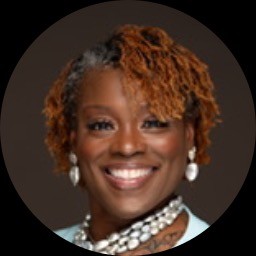
About Tyrenia
Dr. Cross draws on Cognitive Behavioral Therapy to help clients notice unhelpful thoughts and try new behaviors. She supports people facing depression, grief, addiction, trauma and abuse, and compassion fatigue. She also addresses issues linked to caregiving, chronic illness, body image, and workplace or career stress.
Her approach centers on building skills that fit daily life. Sessions include talking through recent problems, identifying patterns that cause pain, and practicing small changes between meetings. She encourages self-care, realistic goal-setting, and habits that improve mood and relationships over time.
Over her career she has worked with people navigating divorce, blended family concerns, first responder stress, and challenges tied to aging and fatherhood roles. She helps clients process abandonment wounds, forgiveness, and family of origin issues while attending to practical needs like communication and commitment concerns.
Dr. Cross offers an affirming, nonjudgmental space for people to explore hard experiences and try new ways forward. Her work aims to increase resilience and a clearer sense of self so clients can handle future stress with more confidence.
How CBT Can Be Used Online to Change Thoughts and Habits
Dr. Cross uses Cognitive Behavioral Therapy to help people identify unhelpful thinking and test new ways of acting. CBT focuses on the link between thoughts, feelings, and behaviors and is often used for anxiety, depression, stress, and low self-esteem.She emphasizes practical skill building that translates into everyday life. That means noticing patterns, trying small behavior changes, and reviewing what worked at the next session. This collaborative process helps tailor the approach to the client's goals and comfort level.
Finding the right therapeutic approach is part of the work together. The therapist will discuss needs, goals, and preferences and help choose methods that fit the situation. Decisions about pacing and techniques are made with the client, not prescribed up front.
Session logistics vary by practice, so confirm which session formats are offered before booking. Online therapy can make it easier to fit sessions into a busy week, reduce travel time, and allow for timely check-ins during life transitions. It can also make brief, focused meetings simpler when time is limited, or allow people to use tools and worksheets between sessions to track progress.
Frequently asked questions
What concerns does this therapist help with?
She helps people with stress, anxiety, depression, relationship and intimacy issues, self-esteem, addictions, trauma and grief among other concerns listed in her practice.
What is her general therapy style?
Her work uses straightforward, compassionate conversation and practical tools. Cognitive Behavioral Therapy techniques are used to spot thought patterns and practice new behaviors.
How much experience does she have?
Dr. Cross has 20 years of clinical experience supporting people through life transitions and complex emotional situations.
What credentials and region are listed?
She is an MA LMHC and practices in Florida as noted in her profile.
Which languages are supported?
Sessions are offered in English only.
What session formats are available?
The original biography does not specify session formats; confirm current session options with the service before booking.
How does payment or cost work?
Cost varies by location and therapist availability; sessions use a subscription that can be canceled at any time.
How do I begin working with this therapist?
Select the continue button on this profile, complete a short matching questionnaire, and schedule according to therapist availability.