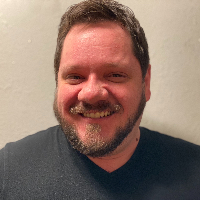
- 11 years experience
- Utah based counselor
- Affirming approach
About Brandon
In sessions he uses plain language and a steady, respectful tone. Conversations focus on real problems like managing overwhelm, improving communication, handling intimacy-related issues, and navigating parenting or career changes. He supports people dealing with addiction, compassion fatigue, or the aftermath of abuse in ways that fit their day-to-day lives.
Brandon draws from several approaches to tailor work to each person. He leans on cognitive behavioral techniques to spot unhelpful thinking, uses attachment ideas to look at how relationships shape feelings, and practices client-centered listening to follow the client's lead. He also draws on acceptance and commitment methods and emotionally focused ideas when those fit the goals.
Practical skills and small experiments are common parts of his work. Clients can expect coaching on communication, exercises for emotional regulation, and steps to rebuild trust after loss or separation. Brandon also addresses niche areas such as BDSM and kink culture, fatherhood concerns, codependency, and forgiveness work.
He encourages straightforward planning for life transitions and coping with large-scale stressors. To get started clients use the continue button on this profile, complete a short matching questionnaire, and schedule according to the therapist's availability.
Approaches that shape online sessions
Acceptance and Commitment Therapy (ACT) helps people notice painful thoughts without getting stuck in them and invites action toward what matters most. It can be useful for anxiety, depression, and making values-based changes. Attachment-Based Therapy looks at how early relationship patterns affect current connections and emotions; it can help people improve closeness, reduce fear of abandonment, and repair trust. Client-Centered Therapy centers the person's experience and uses empathic listening so clients can find their own solutions and build self-acceptance.Finding the right approach is part of the work. The therapist will discuss goals and preferences and adapt methods to fit each person's needs. Clients and the therapist collaborate on which techniques to try and adjust the plan as progress is made.
Many people find online therapy easier to fit into busy lives because it reduces travel time and lets sessions happen around work, school, or caregiving duties. Online sessions can also allow shorter check-ins when schedules are tight or let someone choose a no-video option if they prefer not to use a camera. Confirm the current session options before booking so you know which formats are available with this clinician.
Frequently asked questions
What kinds of concerns does he address?
He supports people with stress, anxiety, depression, trauma and abuse, relationship and intimacy-related issues, addiction, parenting and career concerns, and LGBTQ matters.
How would you describe his therapy style?
His style is client-centered and collaborative, using straightforward language and practical exercises to improve communication, coping, and emotional awareness.
What is his professional background?
He has 11 years of clinical experience working with a broad range of emotional and relationship concerns and aims to help people build resilience and meaningful connection.
What credentials and location are listed?
He holds LCMHC and LPC credentials and practices in Utah.
In which languages are sessions provided?
Sessions are offered in English.
Are international clients supported?
International clients are not currently accepted.
How does billing and cost work?
Cost varies by location and therapist availability and sessions use a subscription that can be canceled at any time.
What should I do to begin therapy?
Select the continue button on this profile, fill out a short matching questionnaire, and schedule sessions based on the therapist's availability.