- Relationship focused
- Practical skills
- Client-centered care
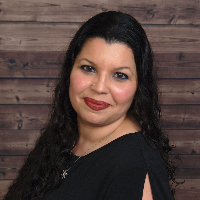
About Cyndi
She began her career supporting people with developmental and intellectual disabilities, running respite and community habilitation programs. That work emphasized practical life skills, coping strategies, and building social connection. Later roles included child welfare work as an investigator and medical social work in hospitals and clinics.
Those varied settings shaped how she works with clients today. Sessions aim to be straightforward and focused on real problems. Cyndi blends listening with clear, usable strategies people can try between sessions.
Her approach draws on client-centered methods, cognitive behavioral tools, dialectical behavior ideas, mindfulness, and elements of the Gottman Method. She picks techniques to match each person’s needs rather than using one fixed method.
Cyndi often helps with parenting challenges, blended family issues, attachment concerns, and post-trauma coping. She also supports people dealing with ADHD, addictions, first responder stress, sleep problems, and questions about life purpose.
Conversations are usually practical and paced to the person’s goals. People can expect a therapist who listens, suggests skills, and works with them to track change over time.
How her approaches guide online work
Client-Centered Therapy focuses on listening and following the person’s lead. The therapist reflects what she hears and helps clients set their own goals, which often helps people feel understood and more in control.Cognitive Behavioral Therapy, or CBT, looks at thought and behavior patterns that keep problems going. It offers practical exercises to shift thinking and build new habits, which can help with anxiety, depression, sleep, and stress management.
Finding the right approach is part of the work together. The therapist will talk with the client about goals, preferences, and what feels useful, then try methods that fit. This is a collaborative process and may be adjusted over time.
If you are considering online therapy, confirm the session formats offered before booking. The practical upside is that remote sessions can fit into busy schedules, save travel time, and make shorter check-ins easier during a workday. Phone meetings can be simpler when bandwidth is limited, and video can support visual cues and in-the-moment coaching. Ask about the available formats so sessions can be arranged to match everyday life.
Frequently asked questions
What kinds of concerns does she help with?
She helps people with relationship stress, anxiety, depression, parenting challenges, trauma and abuse, ADHD, sleep issues, addictions, and life transitions.
How would you describe her therapy style?
Her style is practical and client-centered, combining listening with clear strategies people can use between sessions.
What is her background and clinical experience?
Cyndi has nine years of clinical experience and a longer history working with developmental disability services, child welfare, and medical social work.
What credentials and location are listed?
She is a Licensed Clinical Social Worker (LCSW) holding Florida and Maine LCSW credentials and practices from Florida.
Which languages are used in sessions?
Sessions are offered in English.
What session formats are available?
Confirm current session options before booking to know whether appointments are in person, by video, or by phone.
How does cost and payment work?
Cost varies with location and therapist availability; sessions use a subscription that can be canceled at any time.
How do I begin working with her?
Select the continue button on this profile, complete the short matching questionnaire, and schedule based on the therapist's availability.